Home › Guides › Plastic-free storage and meal prep
Plastic-free storage and meal prep
Glass and stainless alternatives for food storage, lunch boxes and meal prep, and how to move away from plastic one drawer at a time.
Plastic-free storage and meal prep
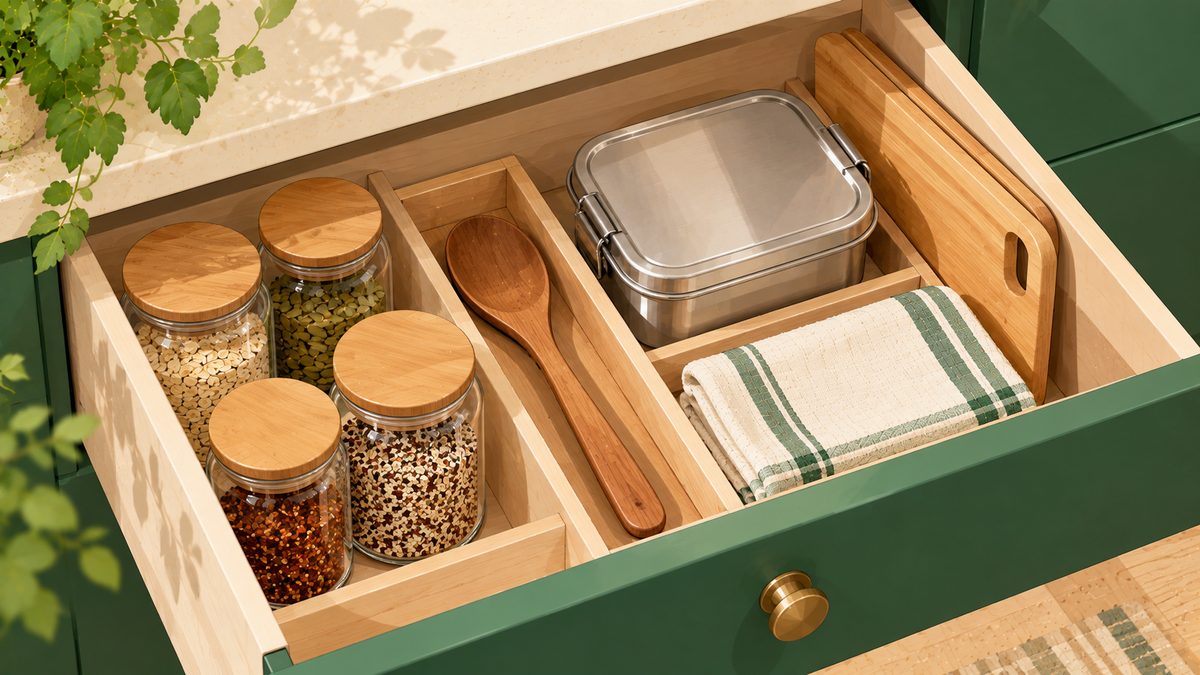
Swap heated and abraded plastic first: microwave containers, cutting board, kettle, utensils. Cold storage, sponges and wraps can wait. Six drawers, each with the greenwashing trap to skip.
Plastic-free storage and meal prep
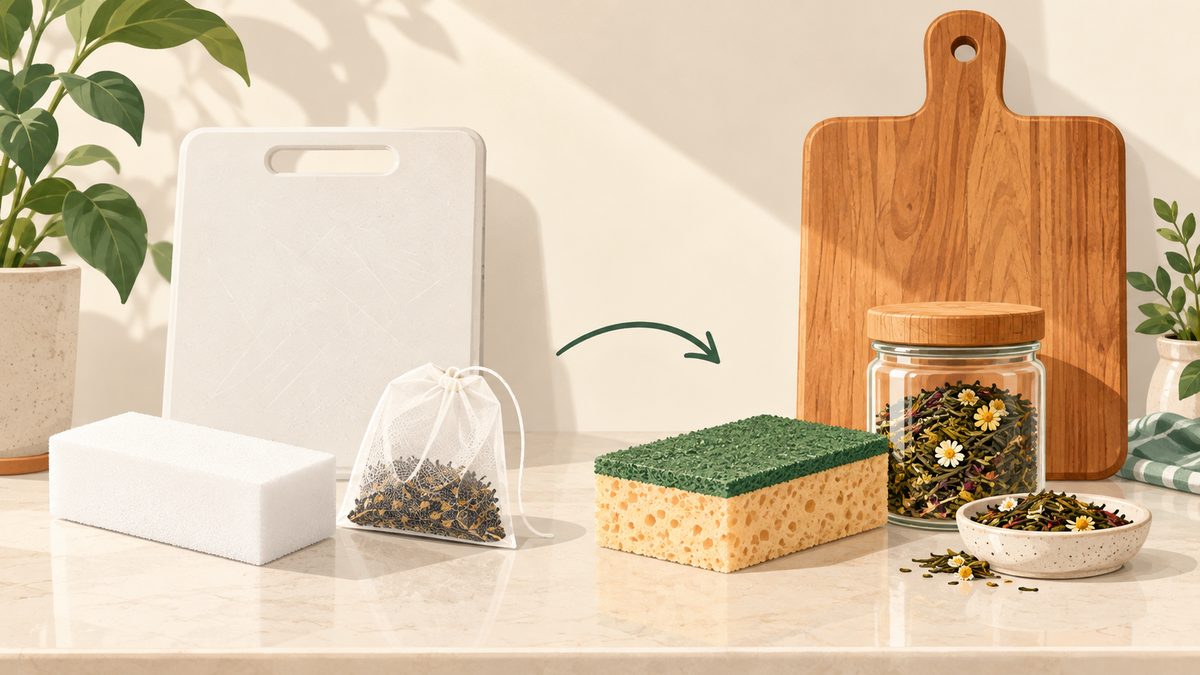
Swap the plastic cutting board first (up to 50 g of microplastics a year), mesh tea bags second, the melamine sponge third. Free to a mid-range price, no study shows harm in people.
Plastic-free storage and meal prep
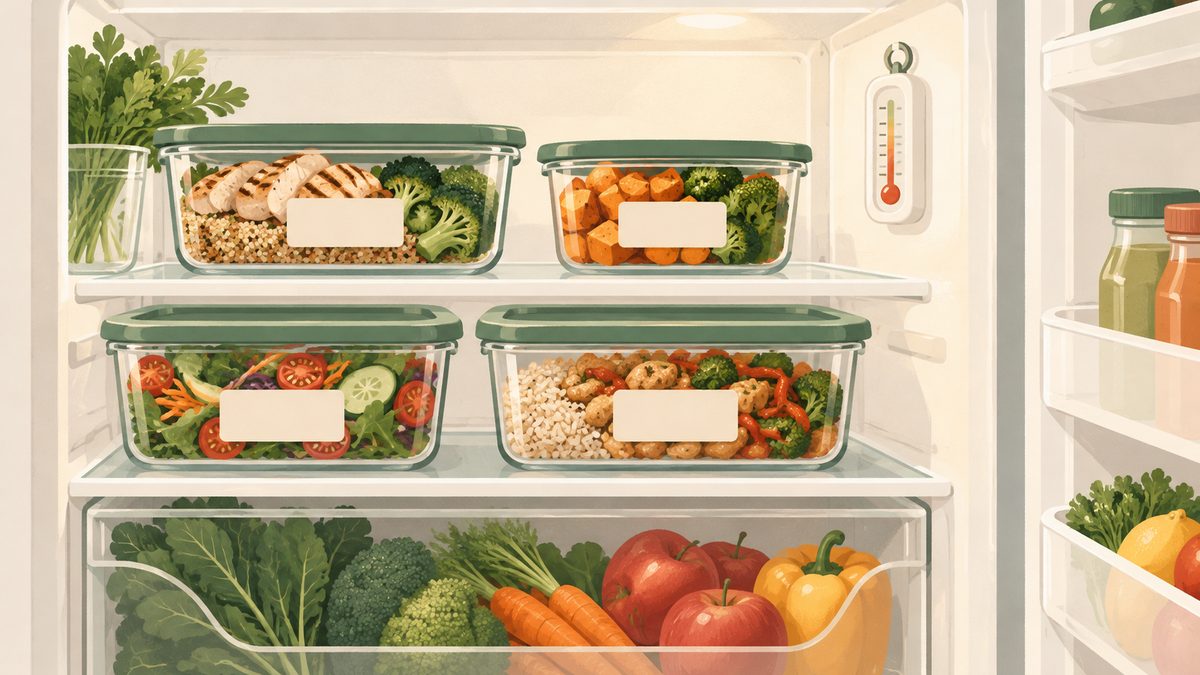
USDA and FDA rules for meal prep: chill within 2 hours, fridge at 40°F for 3–4 days, freezer at 0°F, reheat to 165°F. Glass for reheating, stainless for cold transport.
Plastic-free storage and meal prep
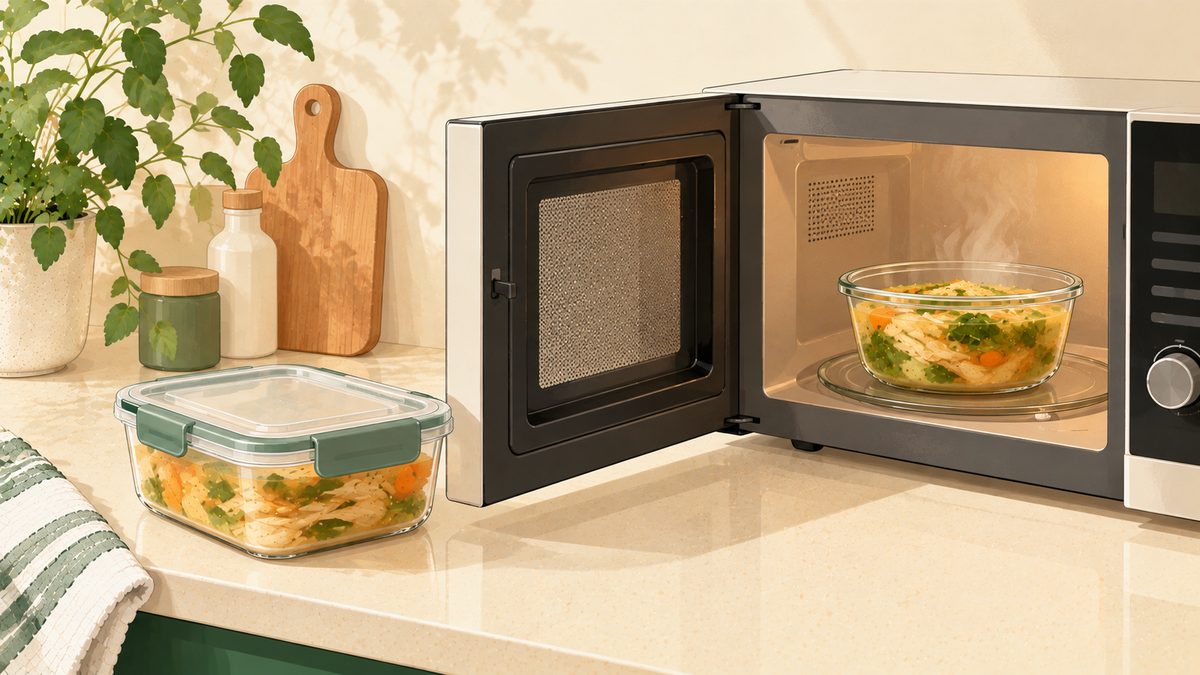
Microwave-safe means low chemical migration under FDA testing, not zero. A 2023 study found polypropylene sheds nanoplastics when heated. Reheat in glass or ceramic.
Plastic-free storage and meal prep
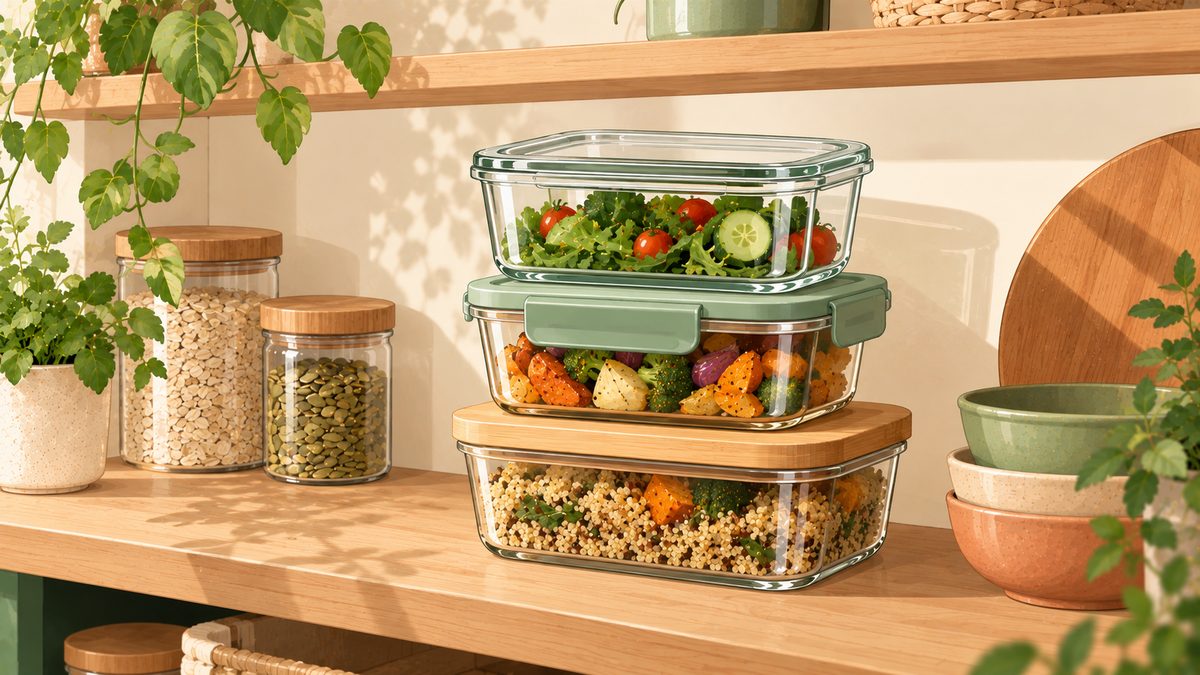
No ranked sets yet. Judge a glass set by glass type, lid, gasket, seal, stacking, freezer, oven limits and warranty; pick glass-and-silicone lids to reheat, bamboo for the fridge.
Plastic-free storage and meal prep
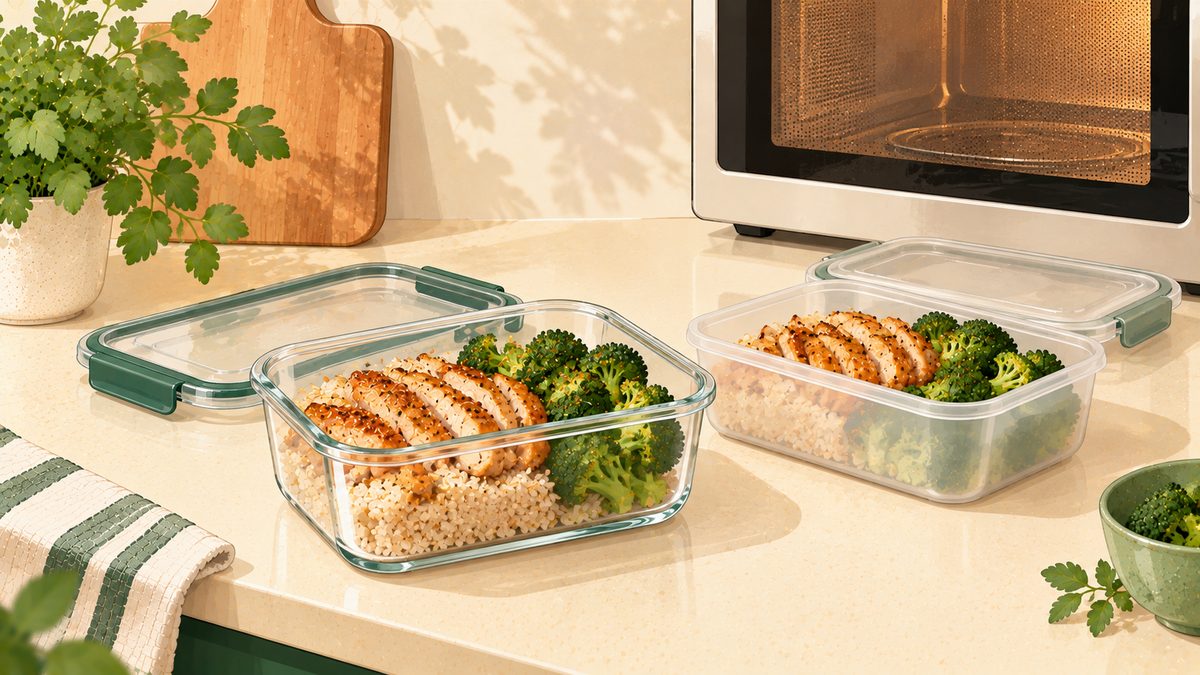
Glass sheds no microplastics or bisphenols when reheated; plastic does. Most glass sets still use plastic or silicone lids, and US glass is usually soda-lime, so follow the thermal rules.