Non-toxic cookware materials explained: 6 options compared
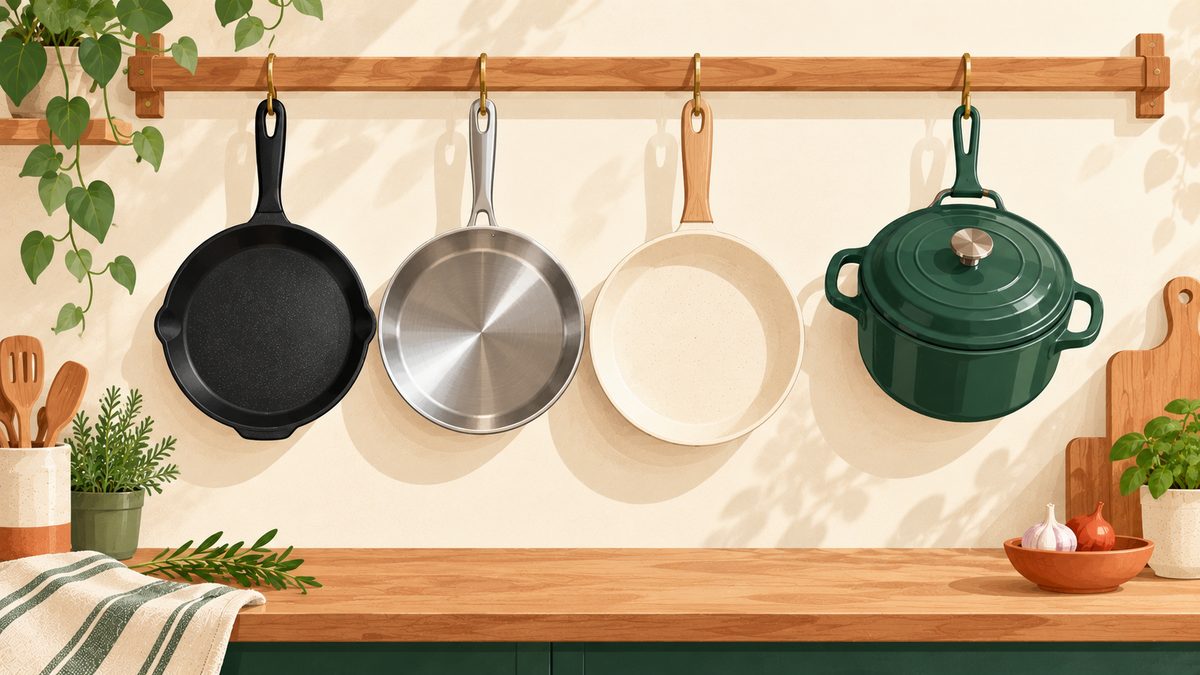
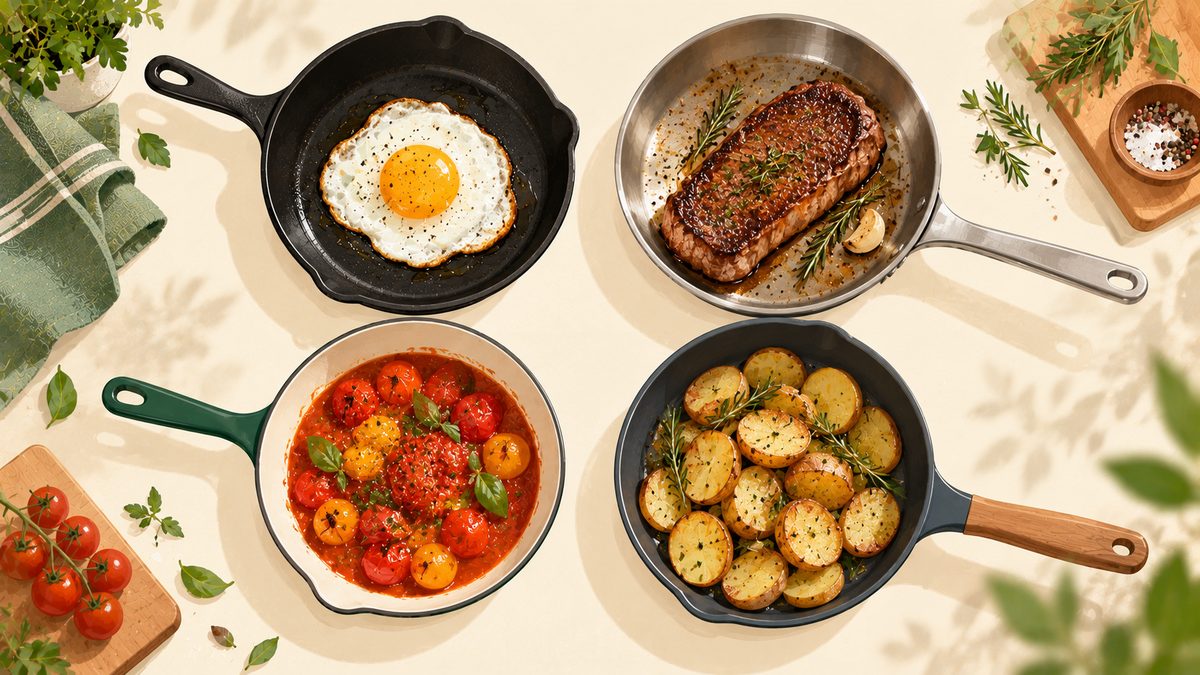
Uncoated stainless, cast iron, enameled cast iron and carbon steel have no coating to wear off; PTFE needs heat limits, ceramic wears fast, and cheap 'titanium' is a coating.
Home › Guides
Plain-English guides on cookware materials, what the labels mean, and how to care for what you own.
What PFAS, PTFE, ceramic coatings, stainless steel, cast iron and titanium actually are, what the labels mean, and what the evidence says, without the scare tactics.
9 guidesSide-by-side comparisons and shortlists for pans, boards, kettles and small appliances, based on maker claims, independent findings and thousands of buyer reviews.
9 guidesHow to season, clean and store cast iron, stainless steel, ceramic and titanium so they last for years instead of months.
9 guidesGetting the most out of an air fryer: first-time setup, common mistakes, liners and accessories, and keeping the basket in good shape.
8 guidesGlass and stainless alternatives for food storage, lunch boxes and meal prep, and how to move away from plastic one drawer at a time.
6 guides
Uncoated stainless, cast iron, enameled cast iron and carbon steel have no coating to wear off; PTFE needs heat limits, ceramic wears fast, and cheap 'titanium' is a coating.
Swap heated and abraded plastic first: microwave containers, cutting board, kettle, utensils. Cold storage, sponges and wraps can wait. Six drawers, each with the greenwashing trap to skip.
Maker-published care rules for cast iron, enameled cast iron, stainless steel, ceramic and titanium nonstick, cutting boards and kettles, with the one mistake to never make for each.
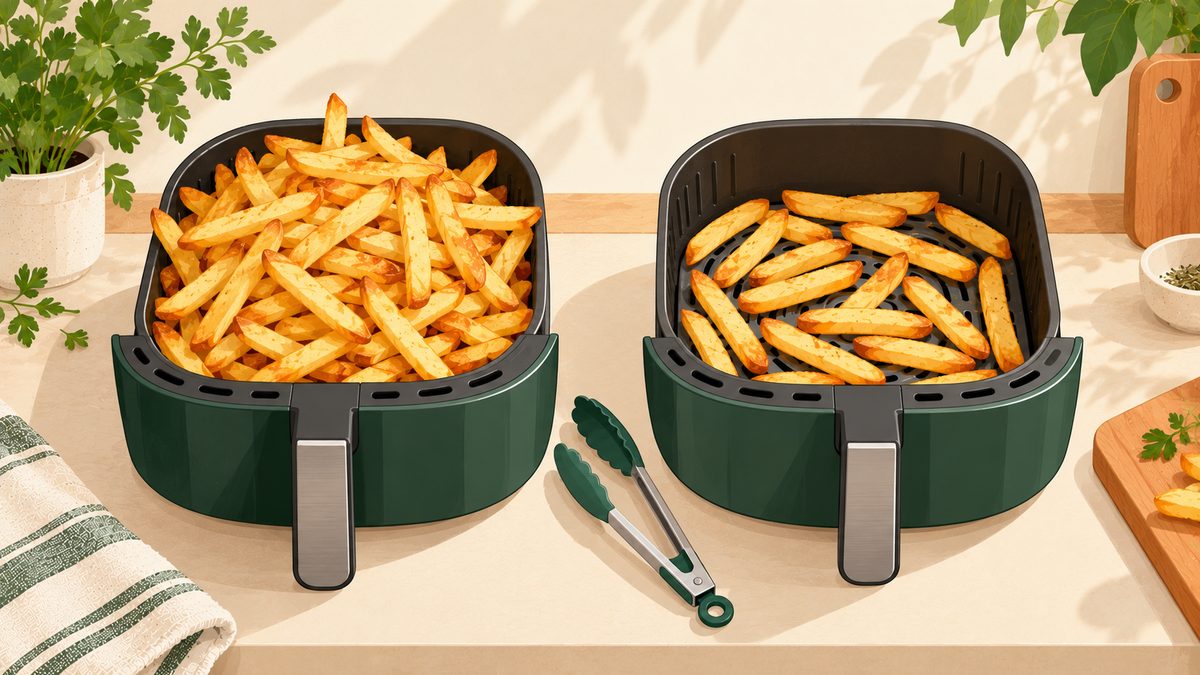
Wash the basket, run it empty 10 minutes, keep 5 inches of clearance, preheat and cook in one layer. Then learn the basket material, what not to put in, and the three accessories to buy first.
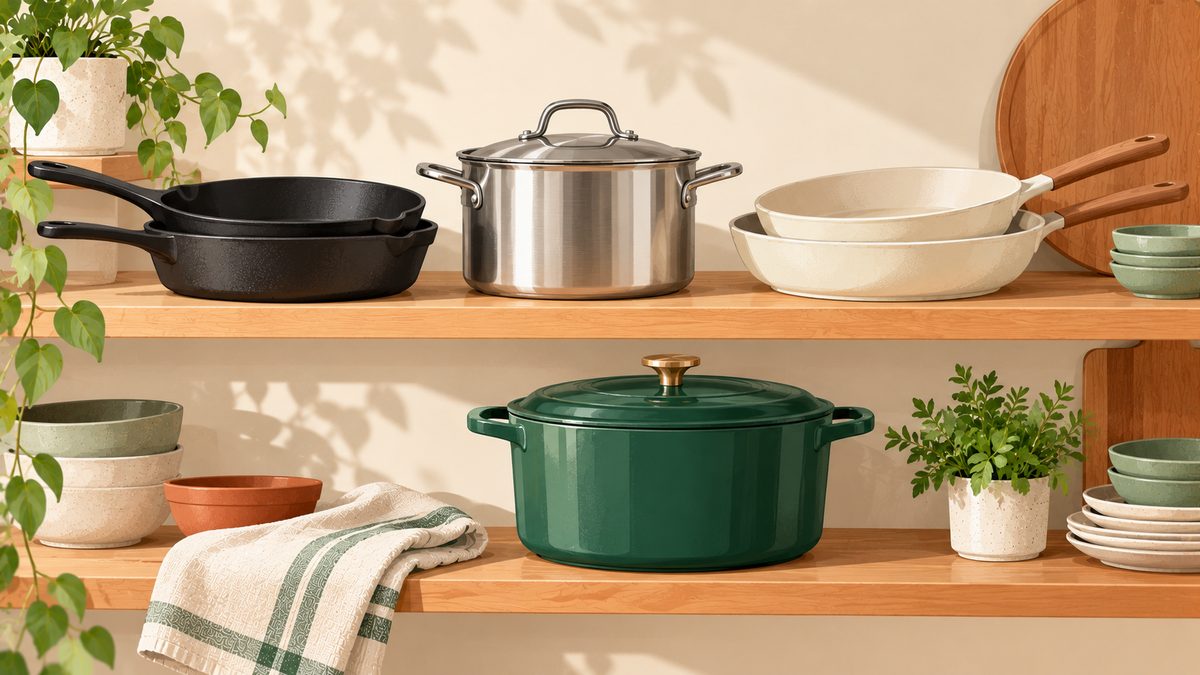
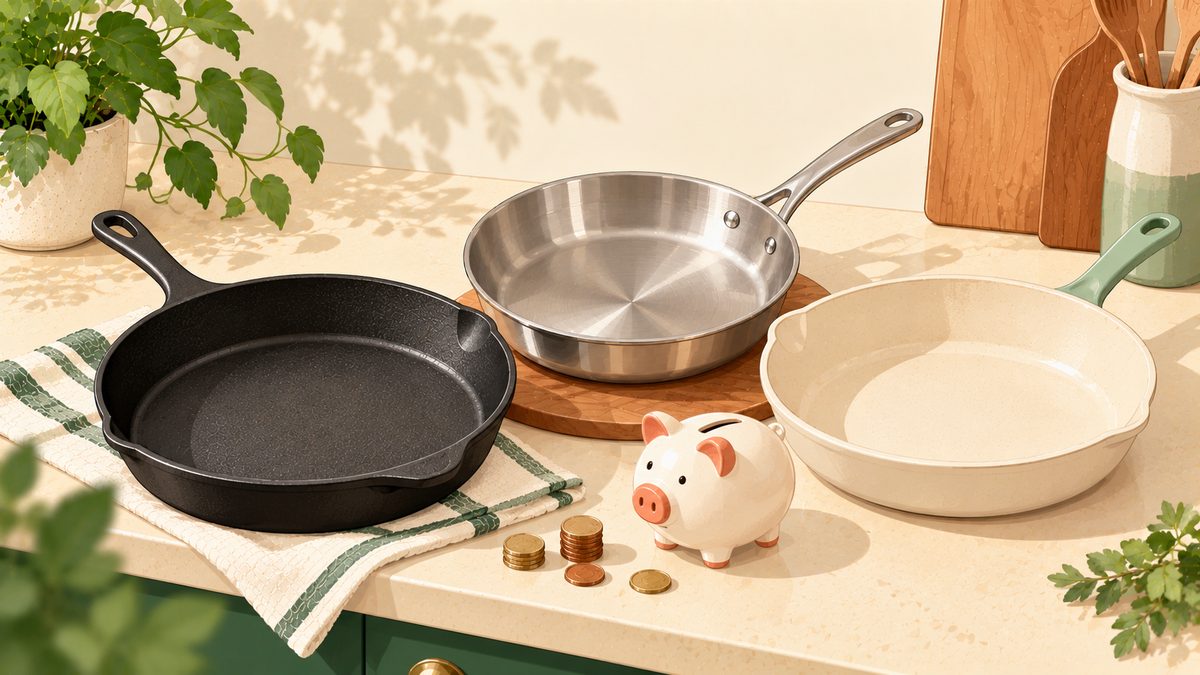
Uncoated pans (cast iron, enameled cast iron, stainless, carbon steel) rank Best; ceramic sol-gel is OK; PTFE and PFOA-free-only 'granite' pans are Avoid.
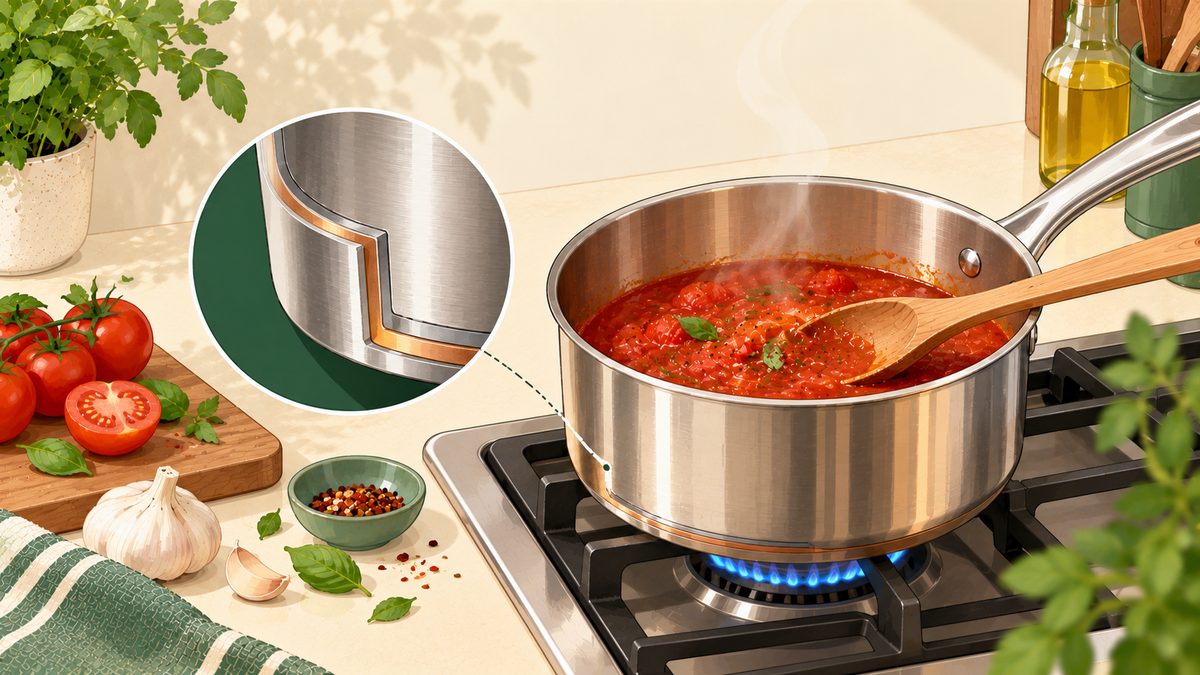
Stainless has no coating or fumes; it leaches small amounts of nickel and chromium into long acidic simmers, which matters mainly for people with a nickel allergy.
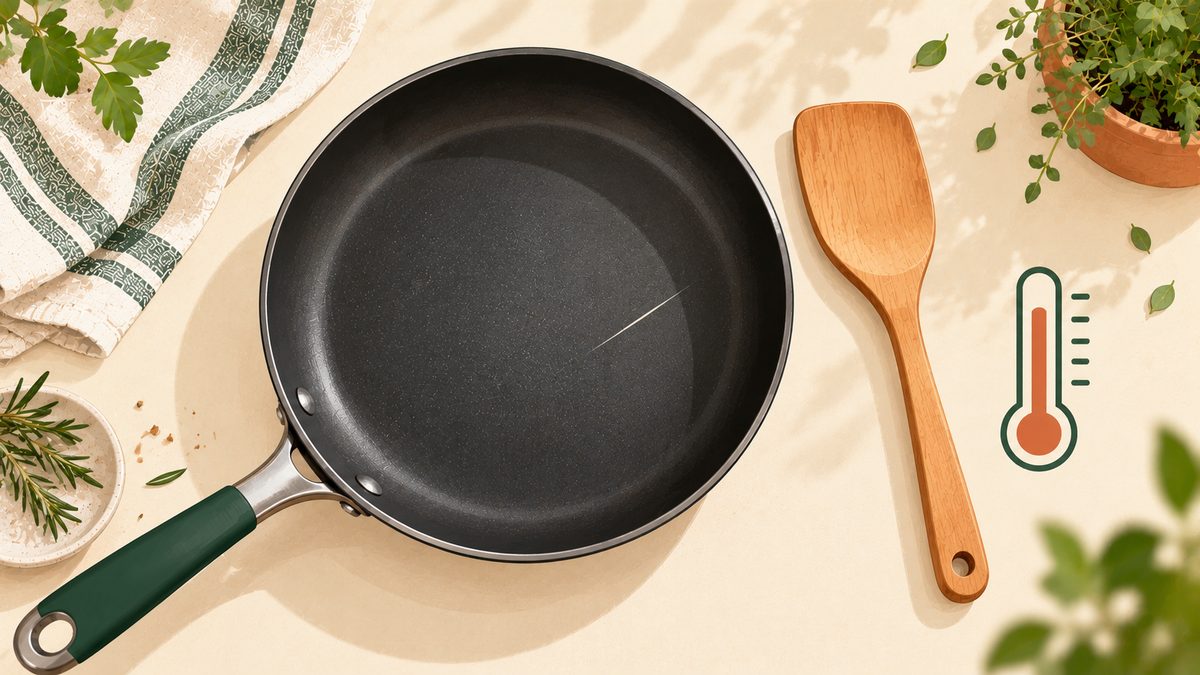
PTFE is stable at normal cooking heat and PFOA left US production by 2015; the real risks are overheating an empty pan and cooking on a flaking coating.
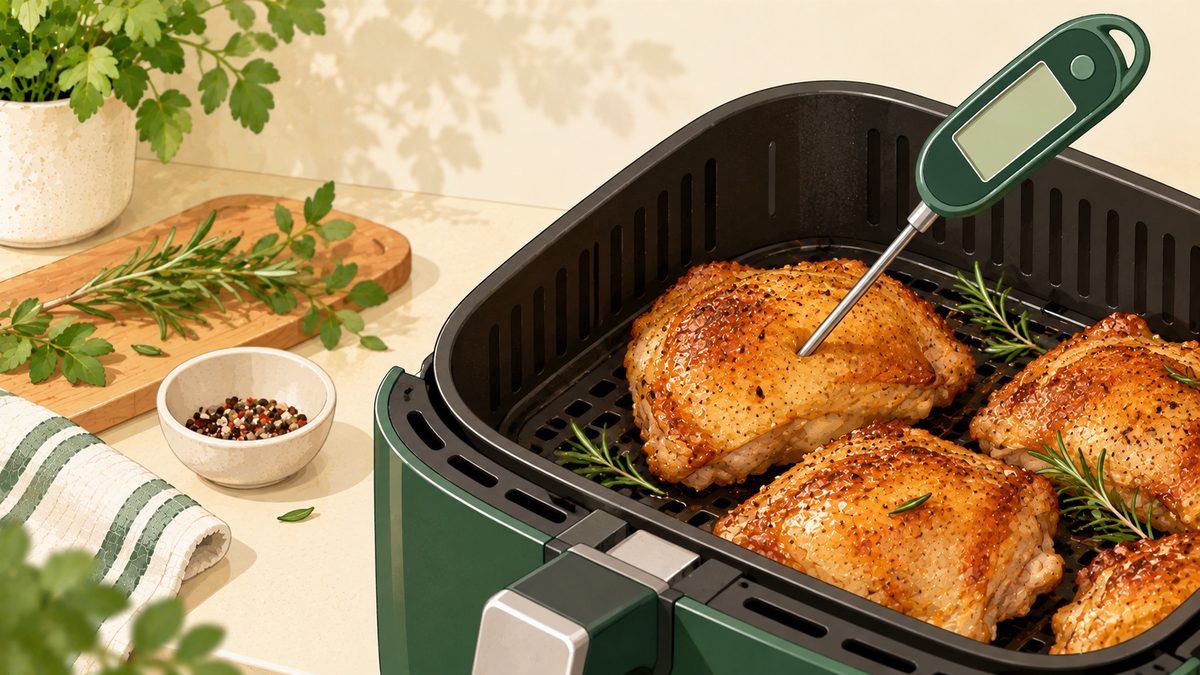
Chicken is safe at 165°F in the thickest part away from bone; whole cuts 145°F plus a 3-minute rest, ground meat 160°F. Speed and NIST figures on the box are maker's claims.
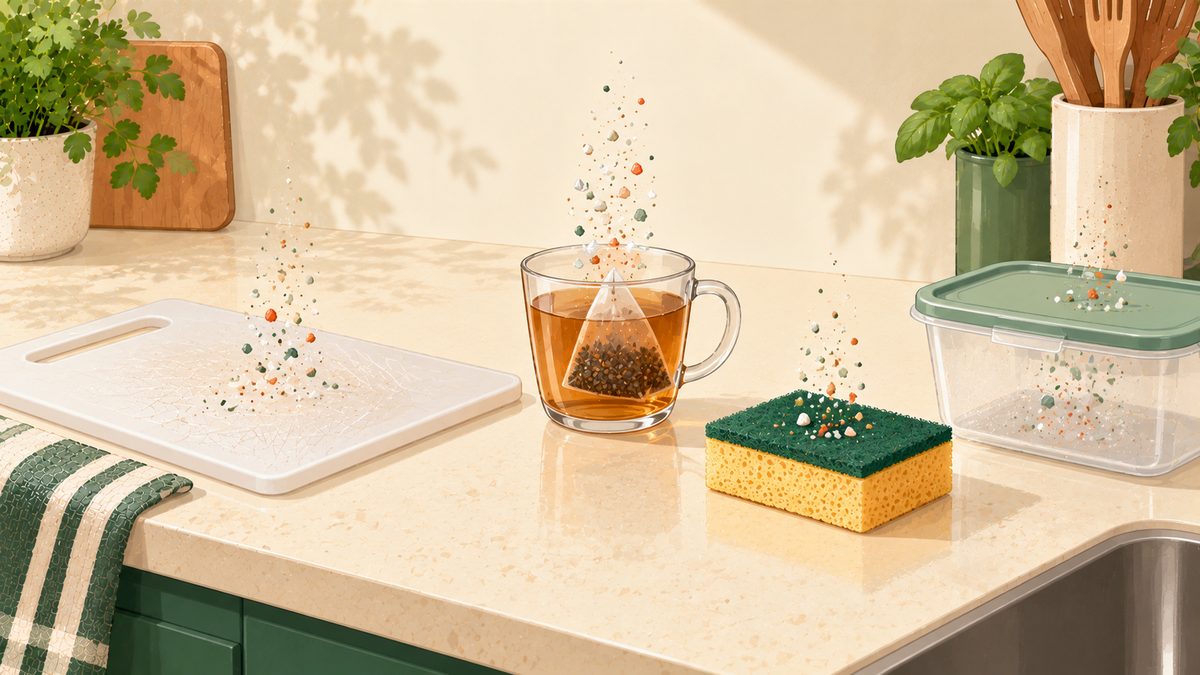
Seven kitchen items shed measurable microplastics in 2019-2024 studies; microwaved plastic and cutting boards top the list. No study yet shows harm in people. Swap heated items first.
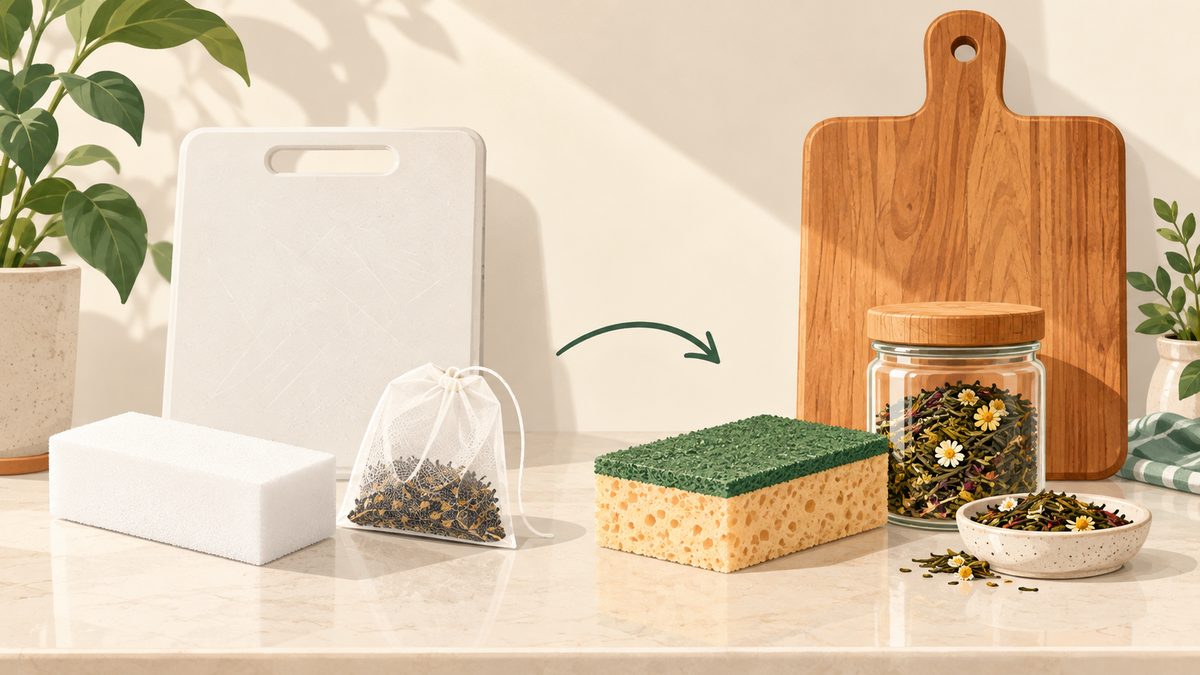
Swap the plastic cutting board first (up to 50 g of microplastics a year), mesh tea bags second, the melamine sponge third. Free to a mid-range price, no study shows harm in people.
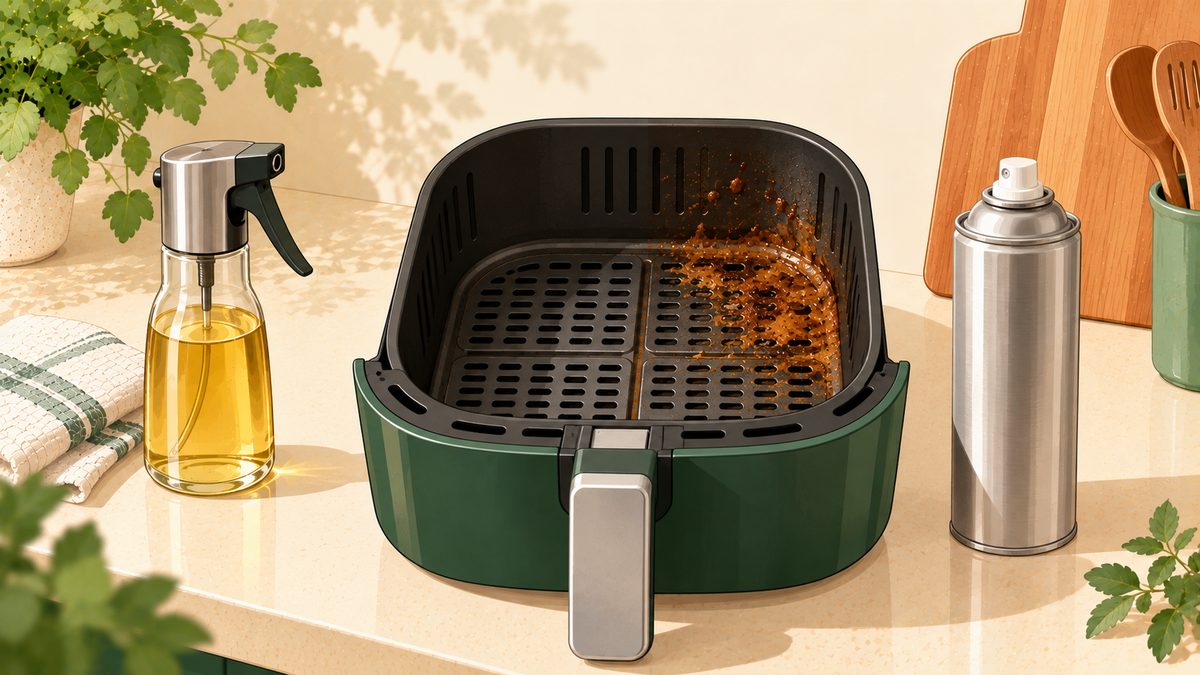
Use a pump sprayer with plain refined oil and mist the food, not the basket; the lecithin and propellant in aerosol cooking spray build a sticky film on nonstick baskets.
PFAS-free rules out the whole chemical family including PTFE. PFOA-free rules out one chemical U.S. makers stopped producing by 2015. Non-toxic has no legal definition, so it tells you nothing.
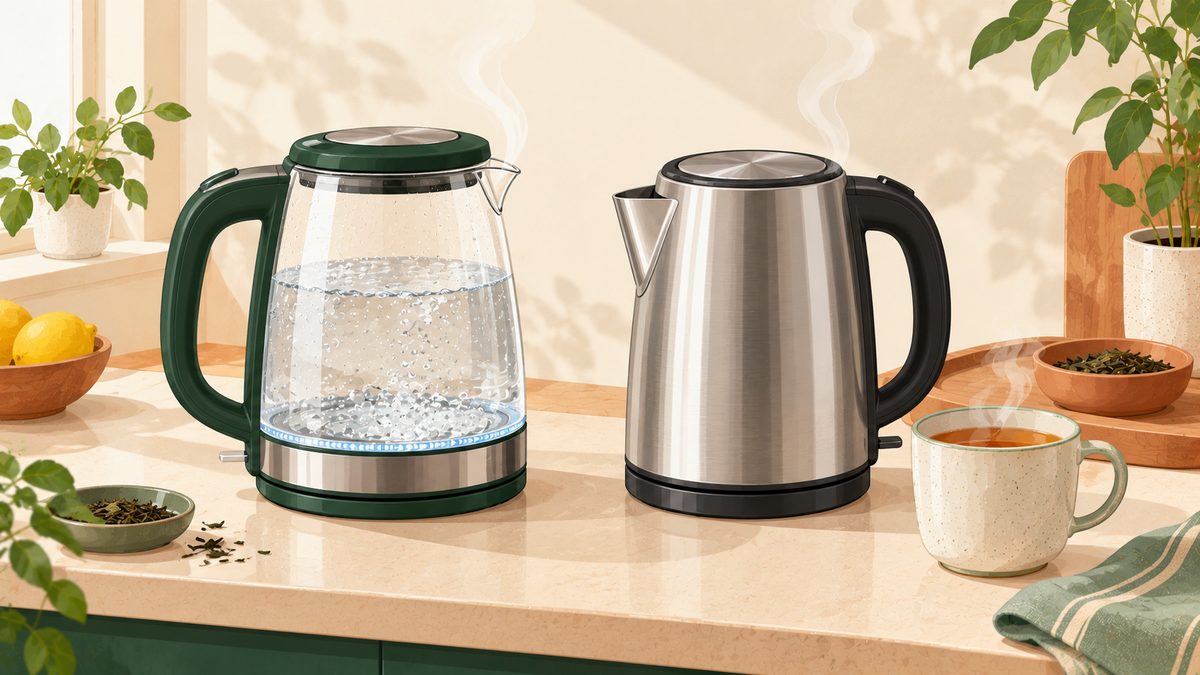
Judge a plastic-free kettle by six water-contact parts, not its body. Glass and 304 stainless interiors shed no plastic; lids, filters and base rings are where plastic hides.
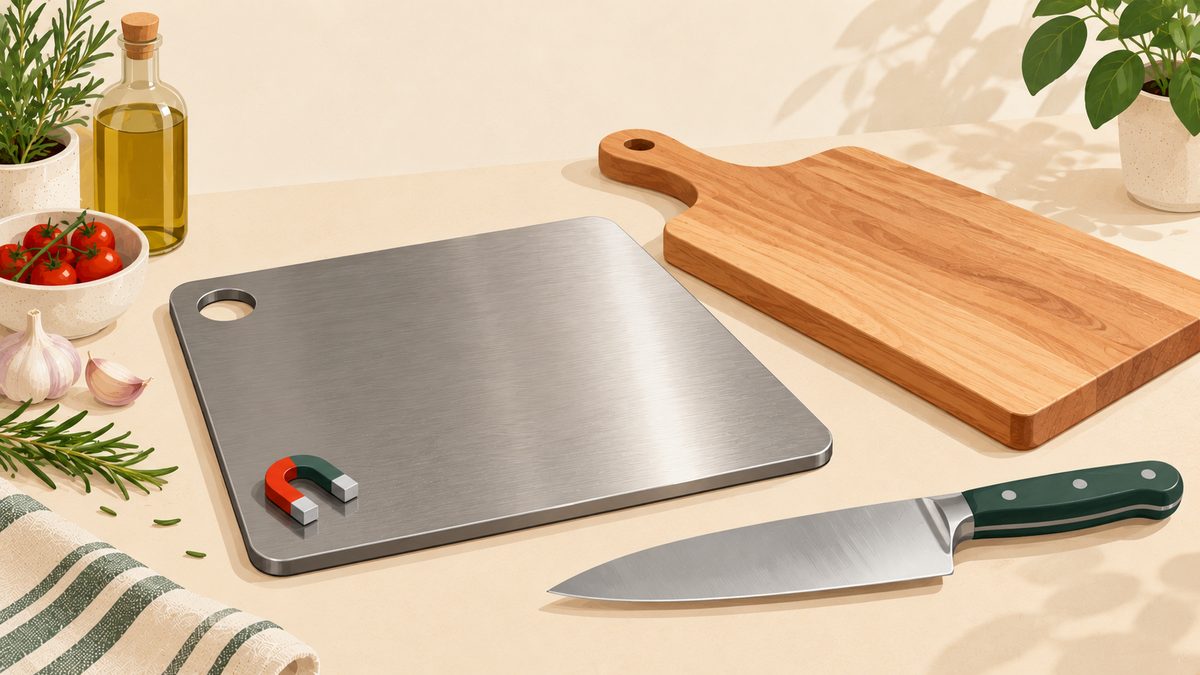
Many boards sold as "titanium" are steel; a magnet and a scale expose them. Real or not, metal dulls knives far faster than wood, but sheds no plastic.
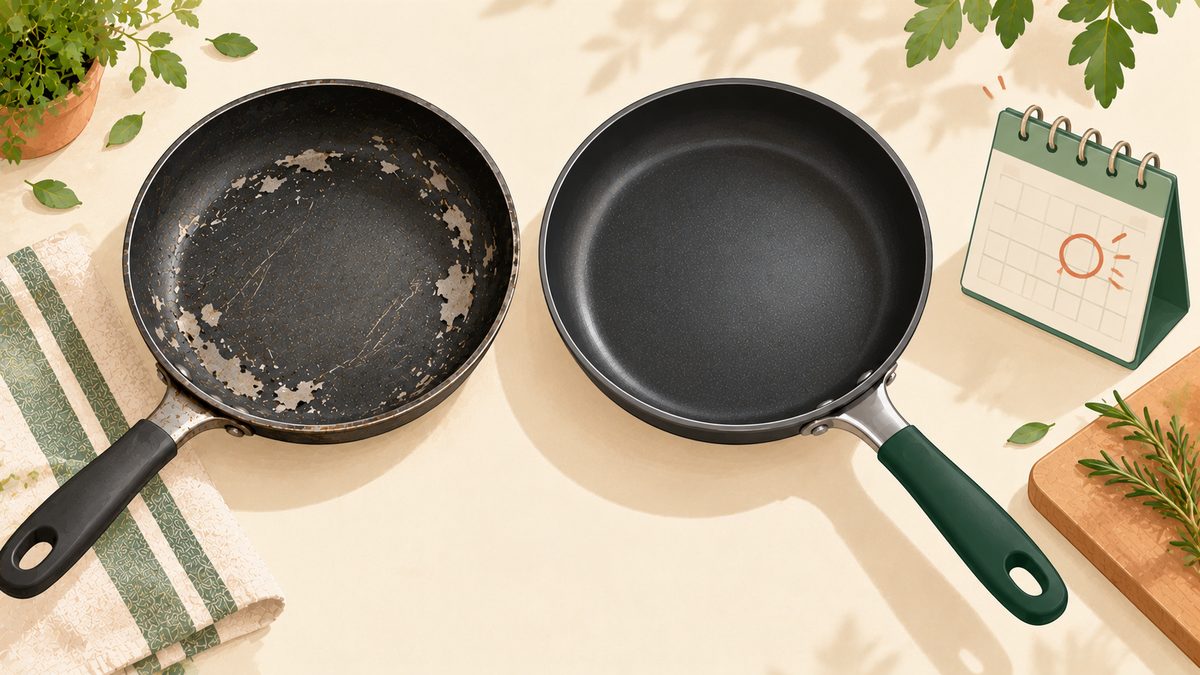
Replace any nonstick pan at the first chip, flake or deep scratch; replace a ceramic pan when it sticks or stays tacky. Swallowed PTFE flakes likely pass through, per the sources.
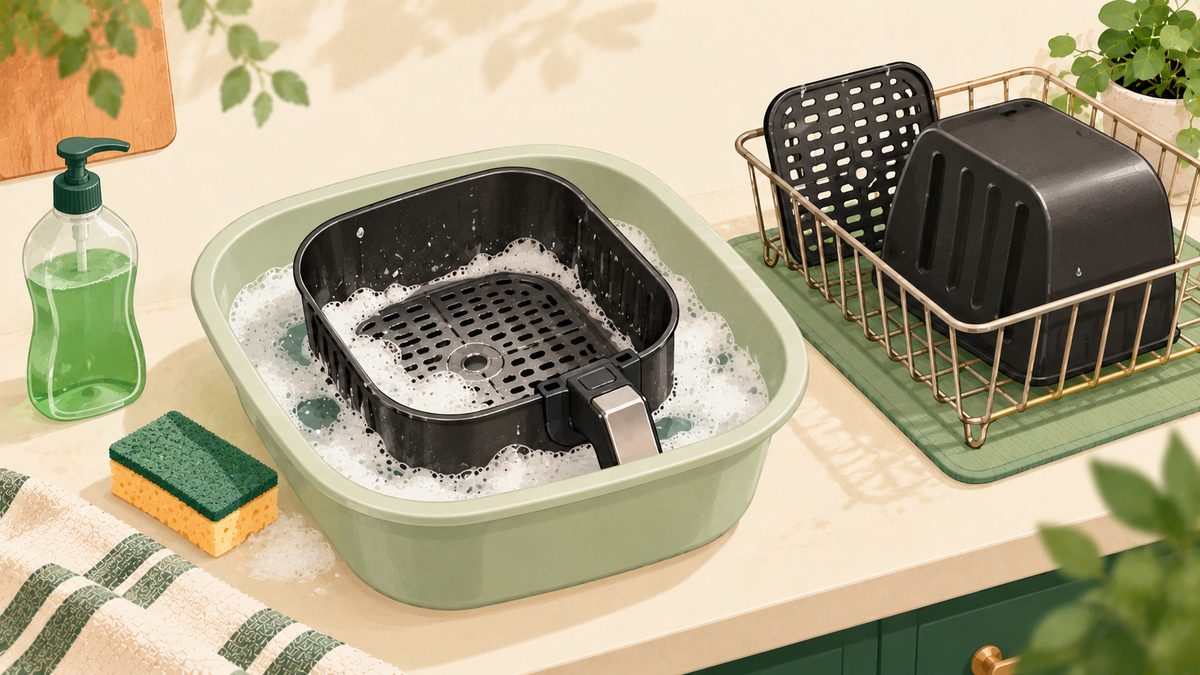
Warm soapy water, a soft sponge and a 15-60 minute soak after every use; no metal or steel wool. Makers say dishwasher safe, but Cosori still suggests hand washing. Replace a basket that flakes.
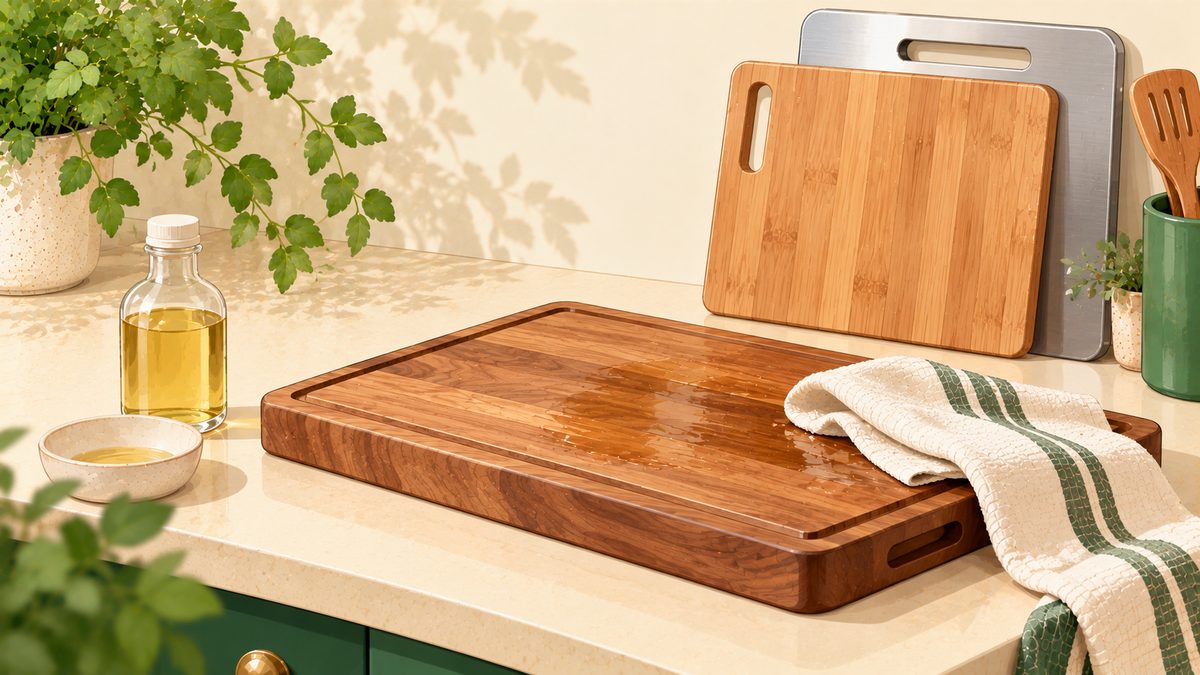
Hot soapy water after each food, dry upright, sanitize after raw meat. Oil wood and bamboo with food-grade mineral oil monthly, never cooking oil; titanium needs no oil.
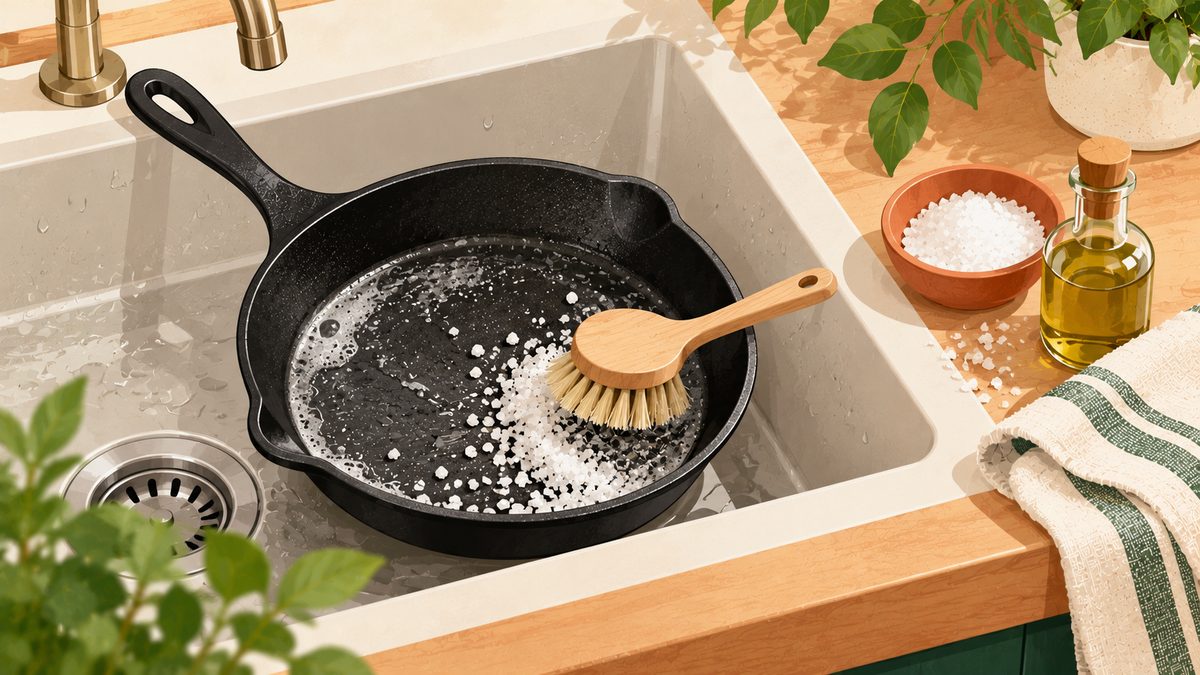
Warm water, a brush, a drop of soap, a full dry on the stove and a thin wipe of oil. Soap is fine per Lodge; soaking and the dishwasher are what cause rust.
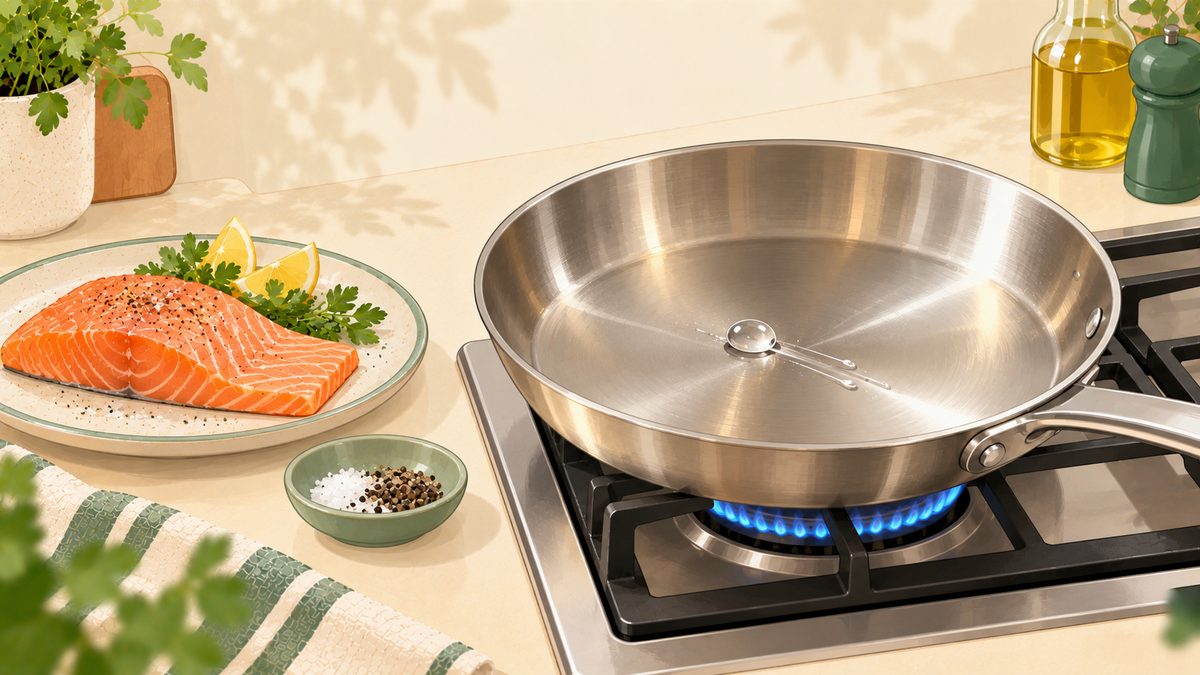
Heat the empty pan on medium, wait until water drops roll like beads (the Leidenfrost effect), then add oil and food and let it release on its own. Vinegar and Bar Keepers Friend fix the stains.
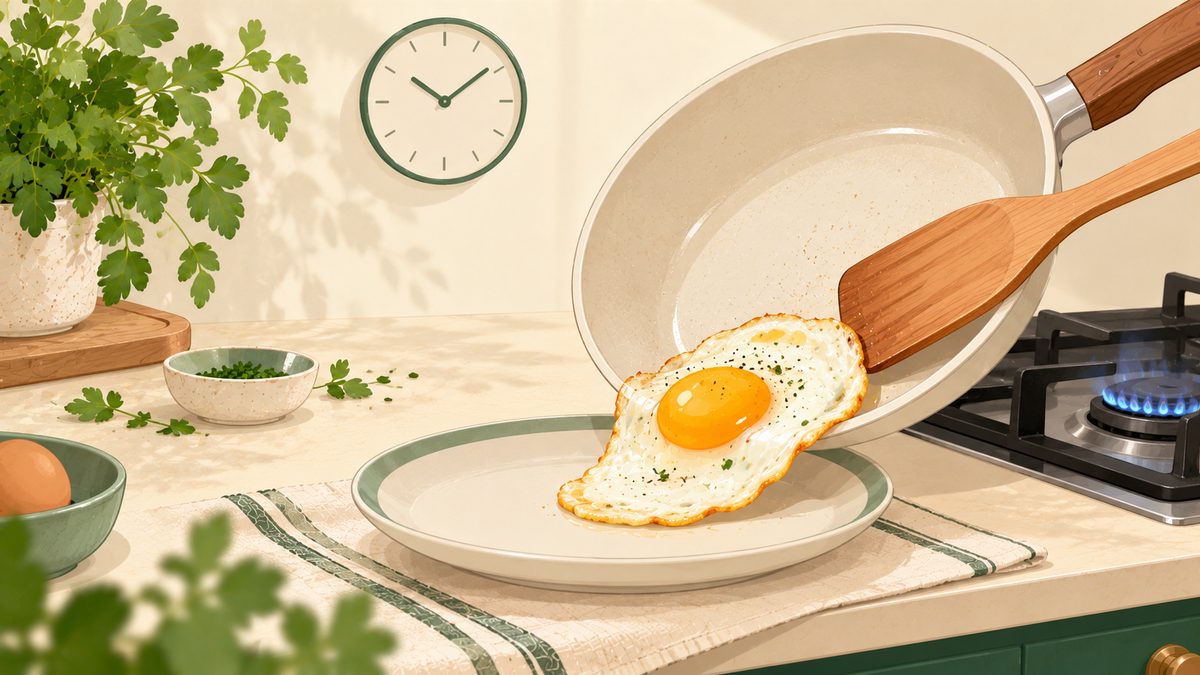
Five maker-backed rules (medium heat, no aerosol spray, no dishwasher, wood or silicone, no thermal shock) plus a 30/60/90-day egg test to track a ceramic pan's decline.
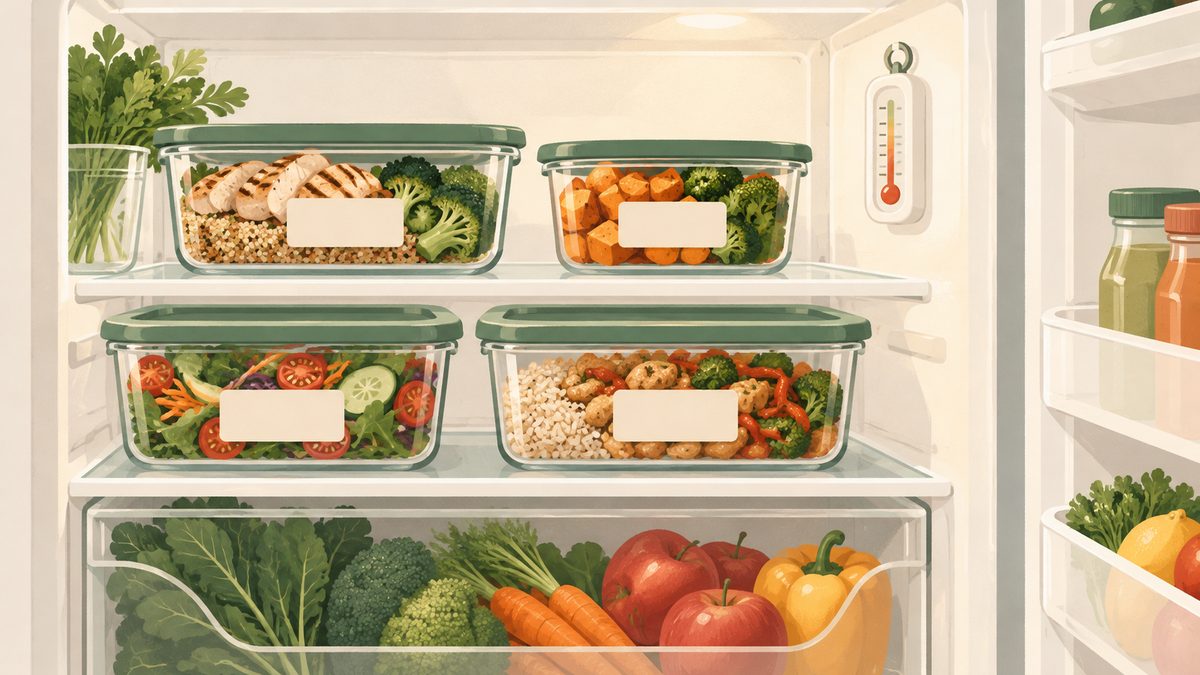
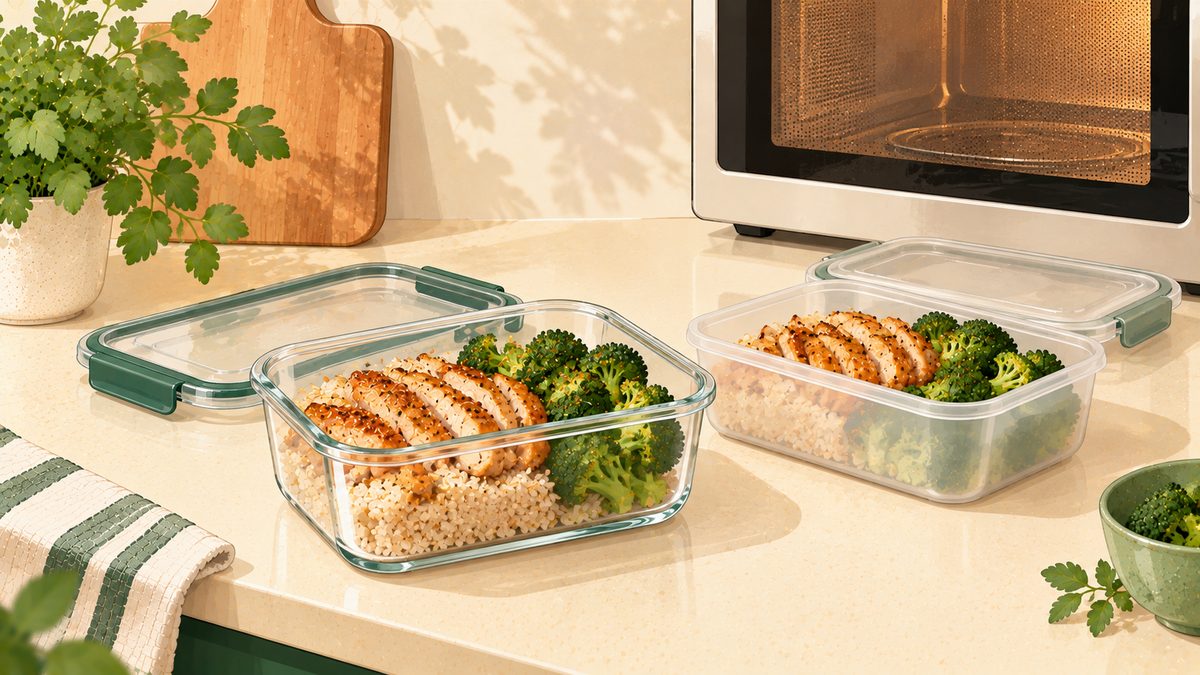
USDA and FDA rules for meal prep: chill within 2 hours, fridge at 40°F for 3–4 days, freezer at 0°F, reheat to 165°F. Glass for reheating, stainless for cold transport.
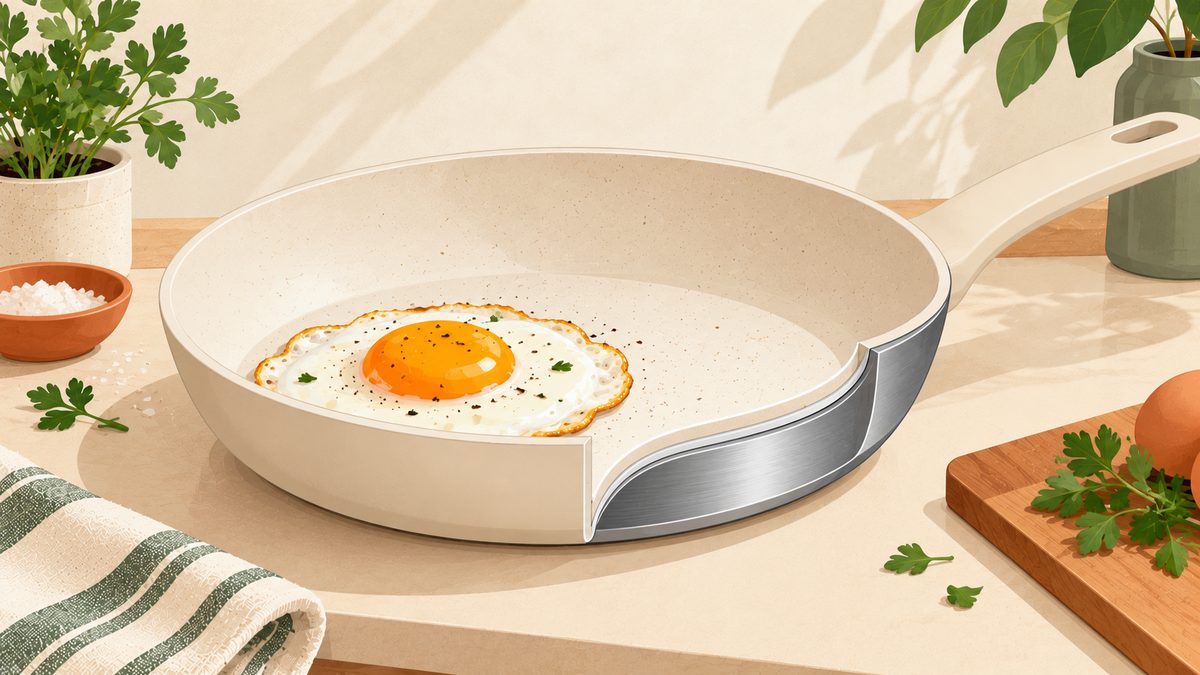
Ceramic nonstick is a silica sol-gel film on aluminum, not real ceramic. It avoids PTFE and PFOA but wears out in months, while stainless lasts for decades.
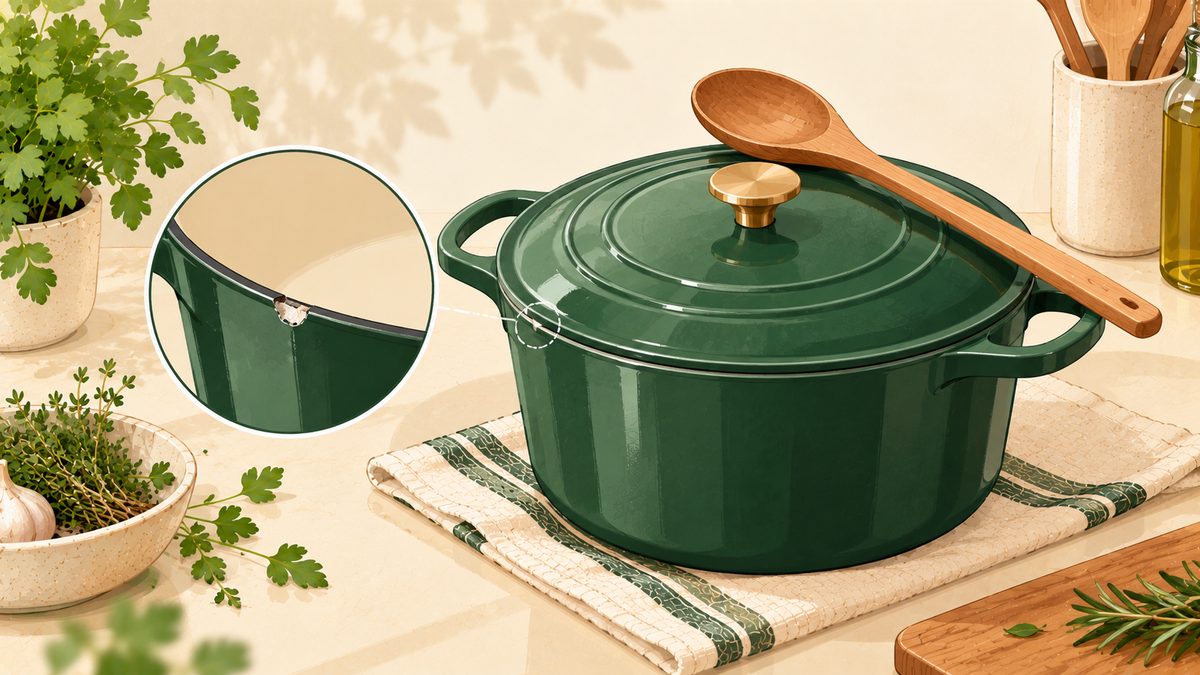
An exterior chip exposes iron that rusts but is not toxic; oil it and keep cooking. An interior chip or crack means retire the pot, because glass enamel keeps shedding fragments.
HexClad's Hybrid pans used PTFE and the brand settled a 2.5-million-dollar class action over non-toxic claims. Its 2024 TerraBond ceramic is PFAS-free by maker's claim only. Tough pan, not a bare material.
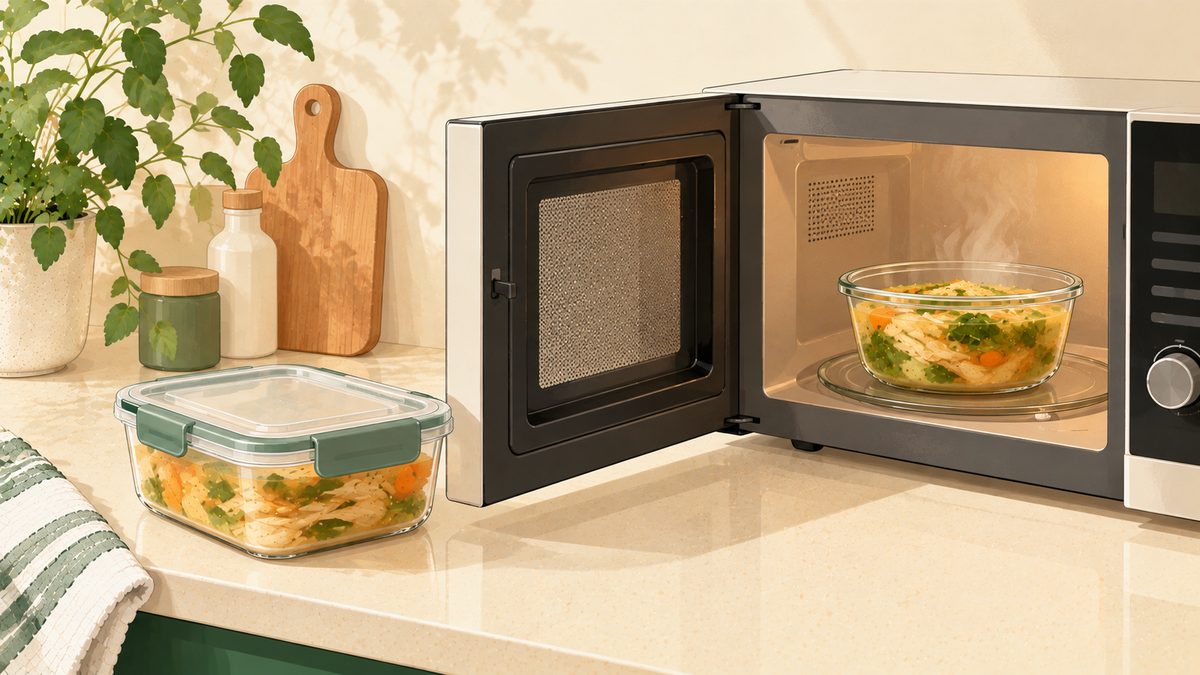
Microwave-safe means low chemical migration under FDA testing, not zero. A 2023 study found polypropylene sheds nanoplastics when heated. Reheat in glass or ceramic.
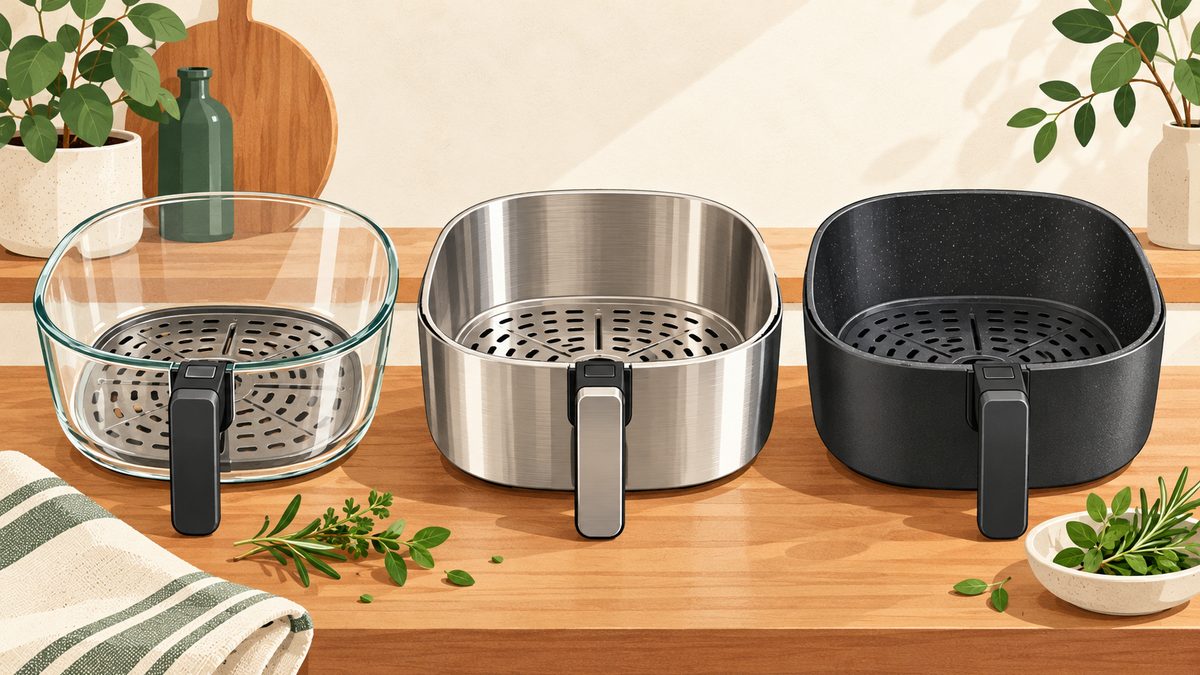
PTFE is stable at air fryer heat but flakes when scratched; ceramic is fluorine-free by maker claim but fades; glass and stainless skip coatings. Only Cosori and Ninja Crispi publish a clear claim.
Twelve common air fryer mistakes, from skipping preheat to aerosol spray on the basket, with the fix for each and the maker or Consumer Reports source behind it.
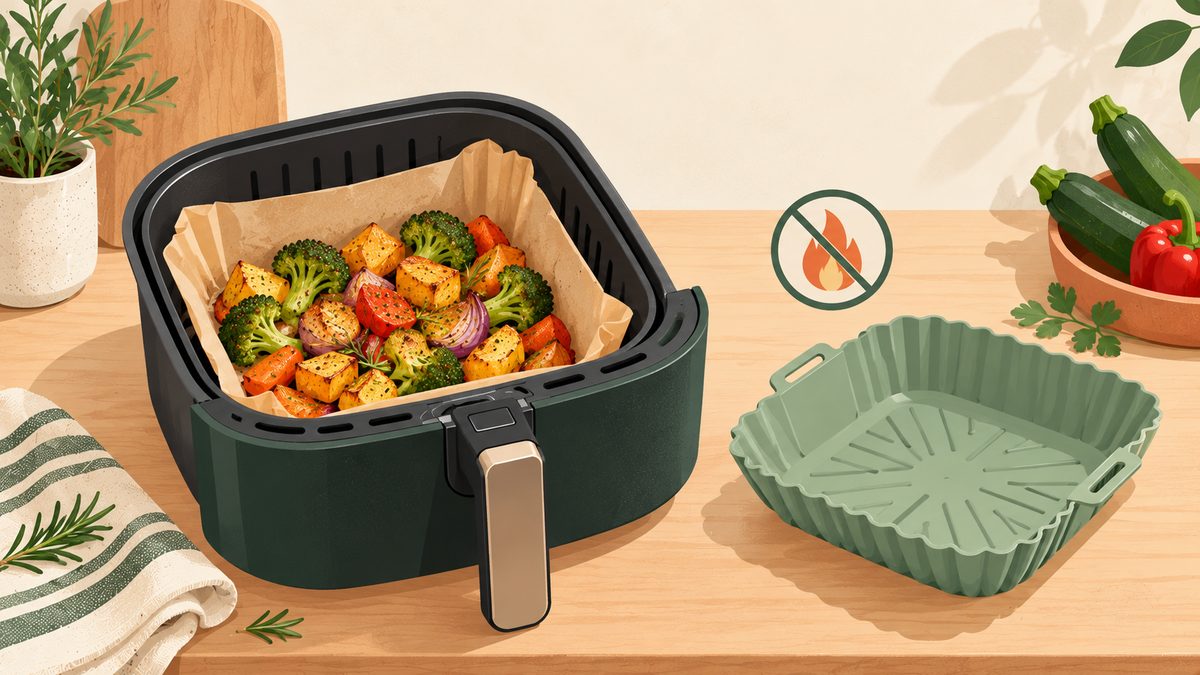
Parchment and silicone liners are safe below their rated temperature with food holding them flat; the fire risk comes almost entirely from preheating with a liner or a sheet lifting into the element.
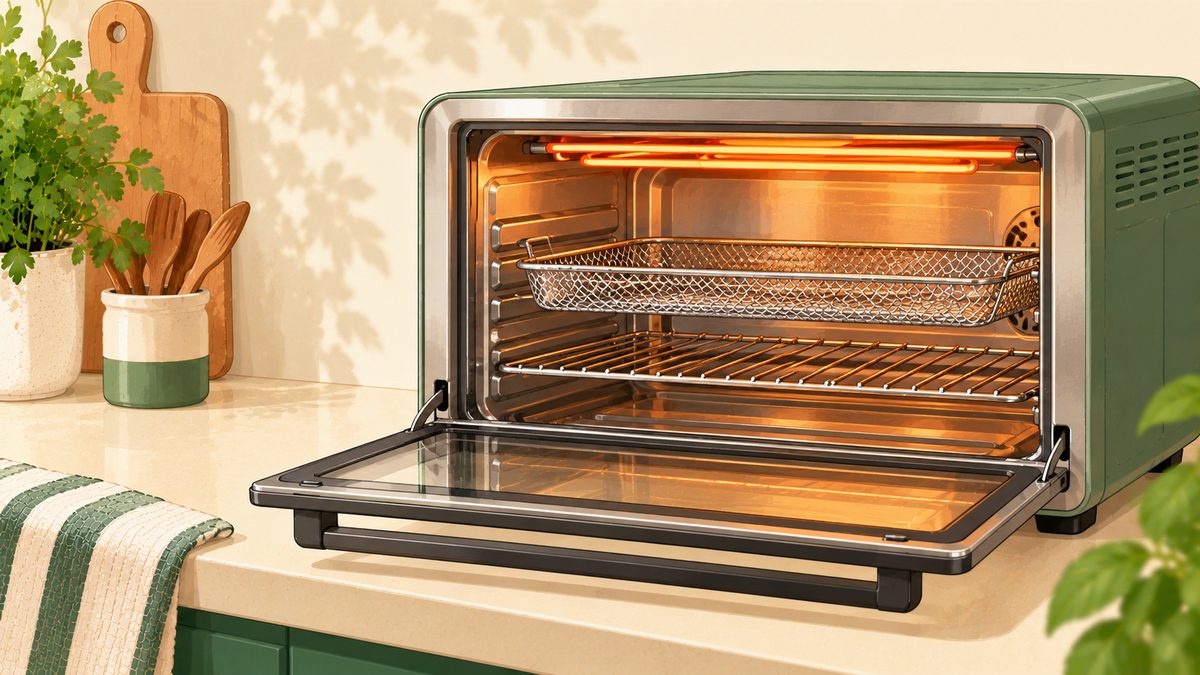
Check cavity, pan, basket, door glass and elements first. The Ninja Flip has a stainless exterior but an unspecified interior and nonstick pan, so ask Ninja in writing before you buy.
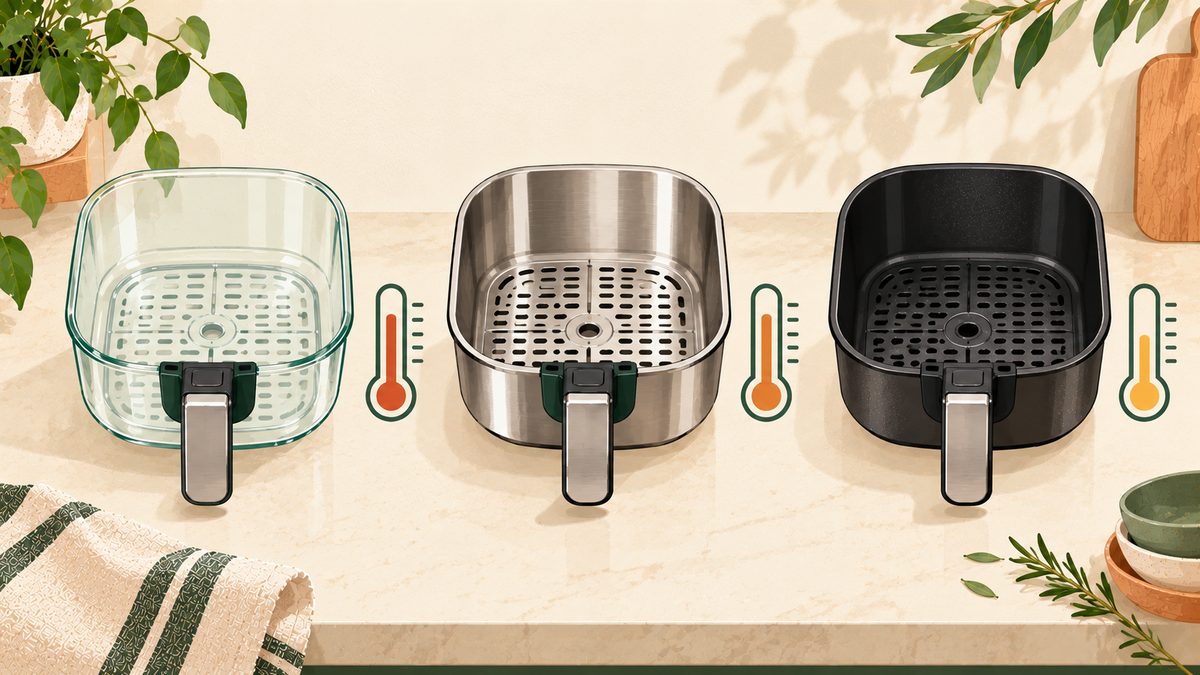
Ranked by basket, not brand: glass (Ninja Crispi Pro) is the only coating-free pick, Cosori's PFAS-free ceramic is the value buy, and four unspecified-nonstick models land in the Avoid tier.
Start with the Lodge 10.25-inch cast iron skillet, add a 12-inch or a Sensarte ceramic pan for eggs, then a Lodge Dutch oven. Do not skimp on pan thickness or handles.
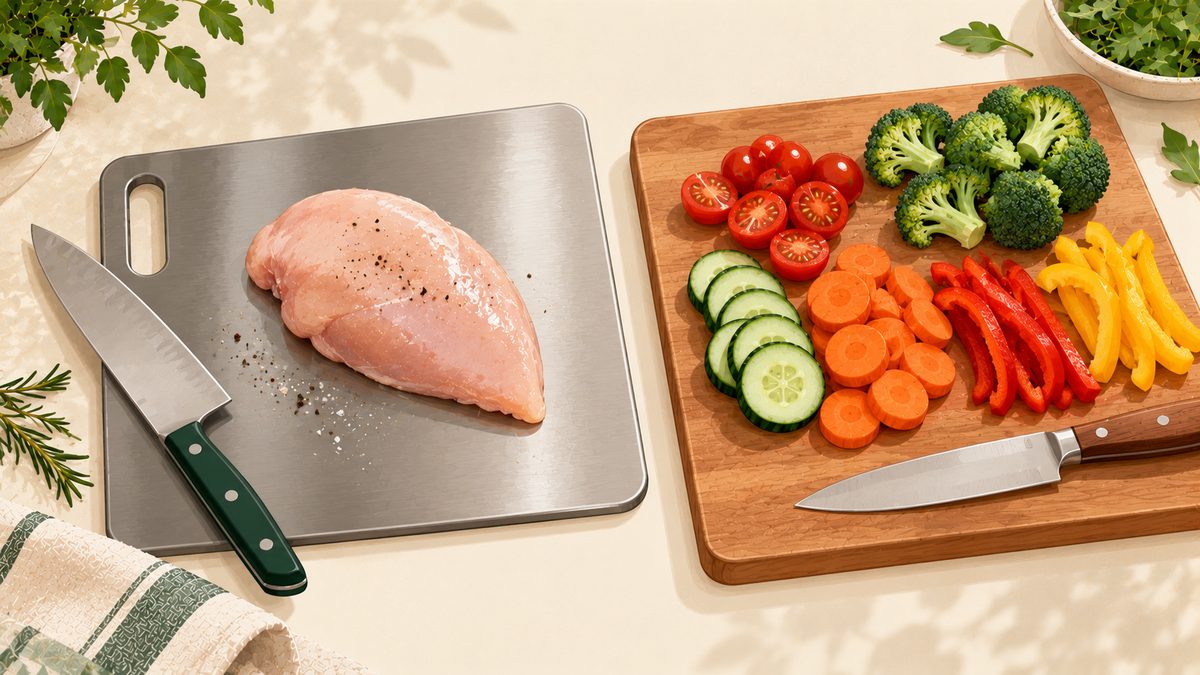
Titanium or steel is easiest to sanitize but dulls knives; hardwood is best all-round with care; bamboo is cheap but cracks; glass is out. Always keep a separate board for produce.
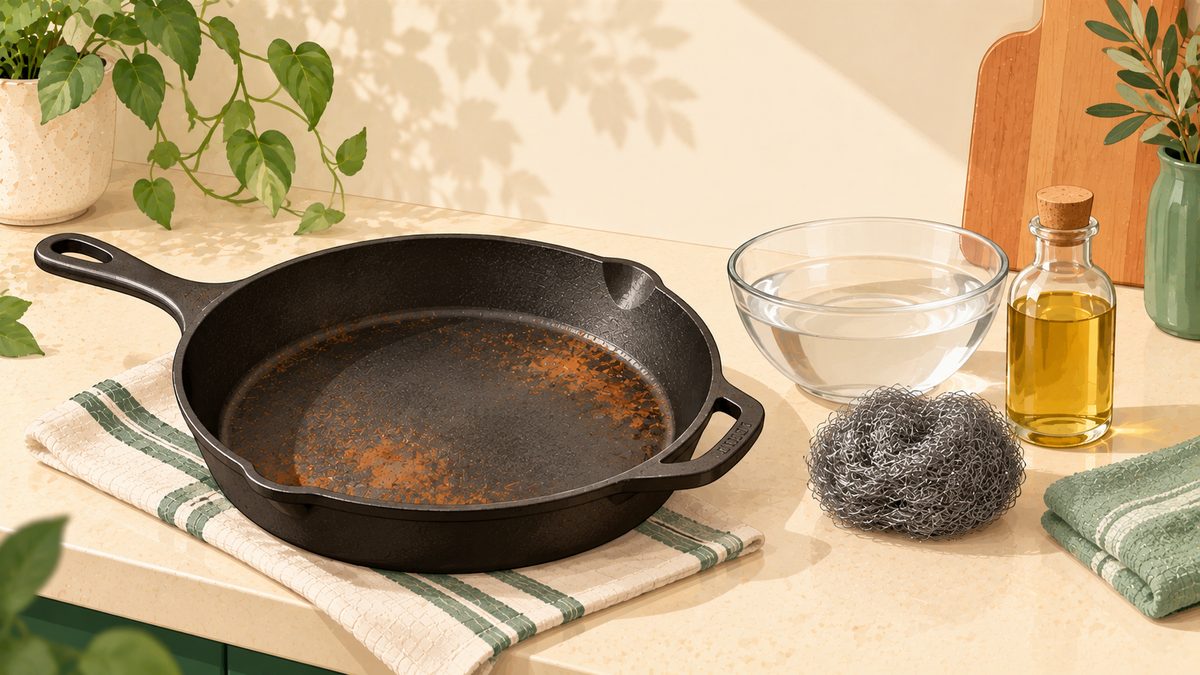
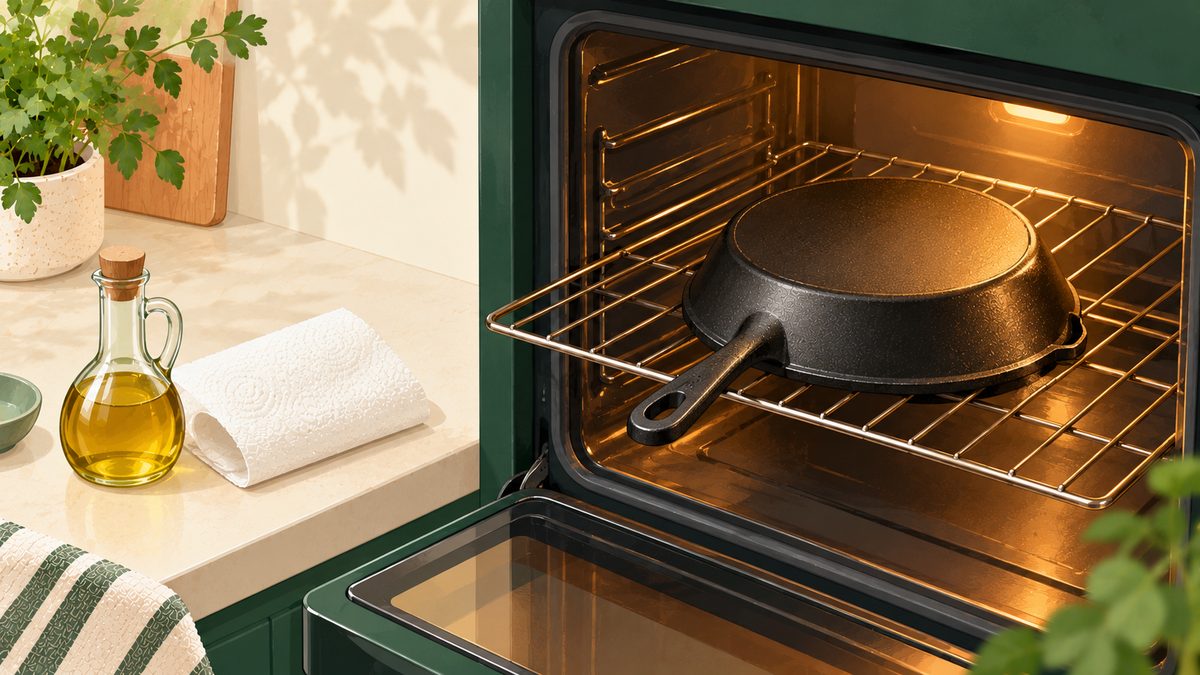
A new skillet that rusts after one wash is not ruined. Scrub or soak in 50/50 vinegar for an hour at most, wash, dry on the stove, oil thinly and bake at 450–500°F for an hour.
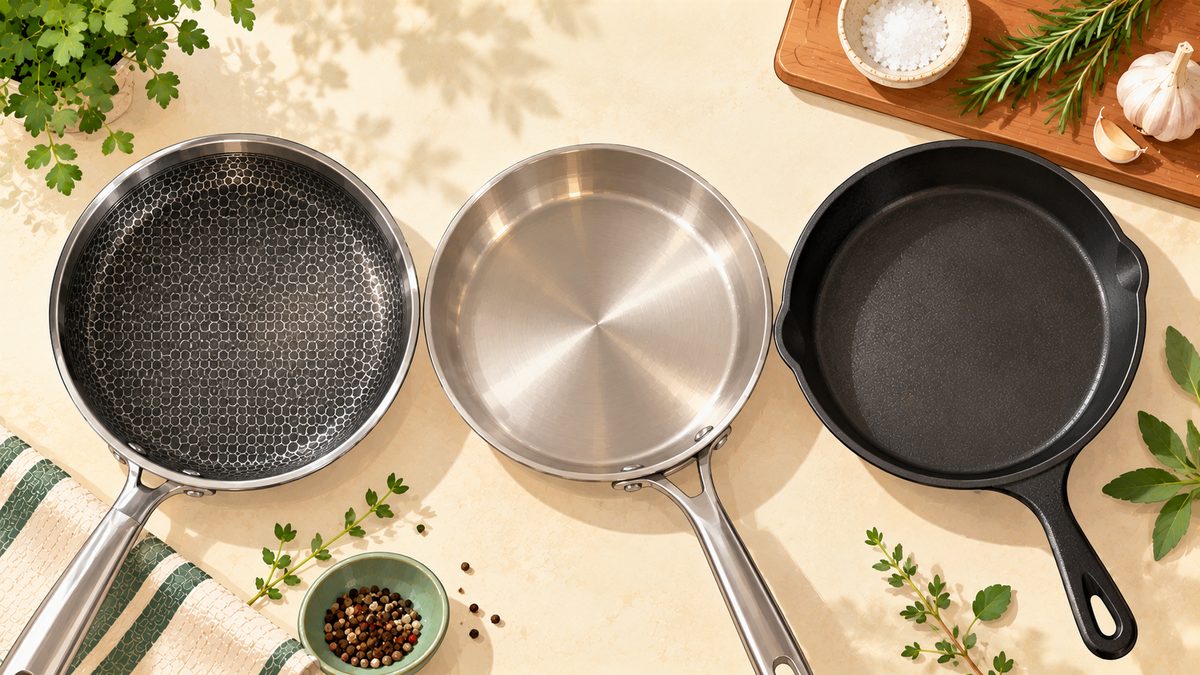
Ceramic wins eggs, stainless wins acidic sauces, cast iron wins searing and frying, carbon steel matches cast iron at lower weight. Most kitchens want one uncoated pan plus one slick pan.
Every public cookware lab report we could open, by brand: who tested, when, which method, what it found. Made In, Caraway, HexClad, Consumer Reports, Mamavation, plus the state laws forcing more.
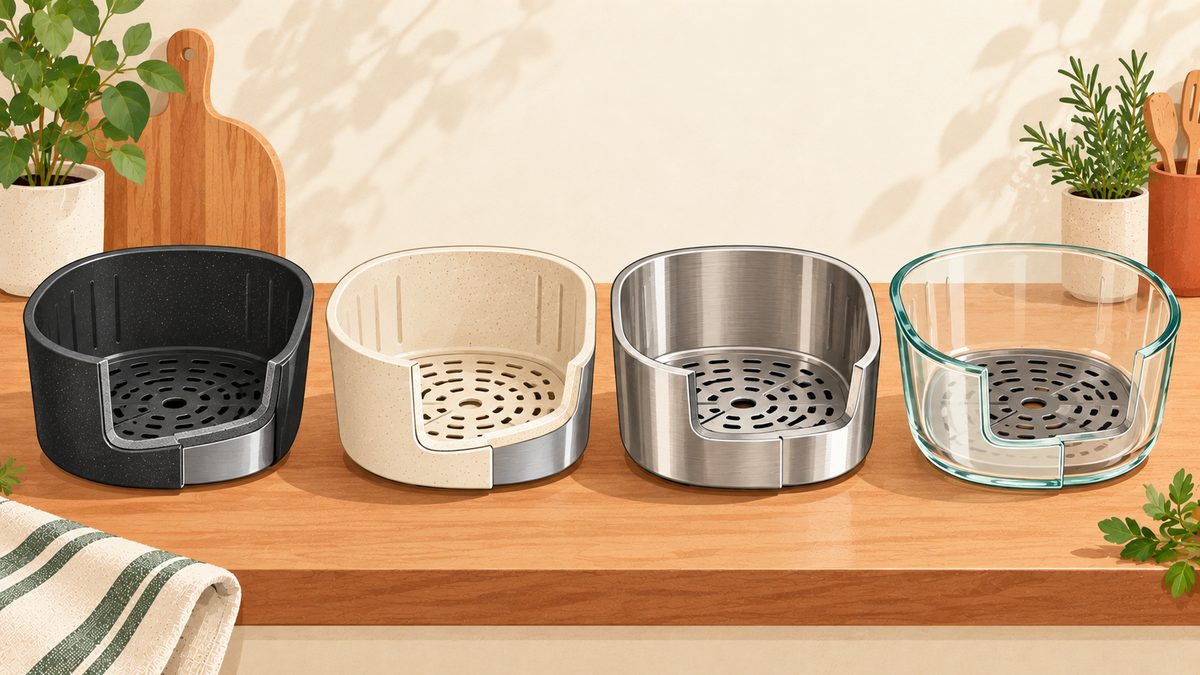
Glass and stainless have no coating to wear off, ceramic is PFAS-free but wears, and glass is the one that breaks and costs the most. Compared on the Ninja Crispi Pro, Cosori TurboBlaze and Ninja Pro.
No ranked sets yet. Judge a glass set by glass type, lid, gasket, seal, stacking, freezer, oven limits and warranty; pick glass-and-silicone lids to reheat, bamboo for the fridge.
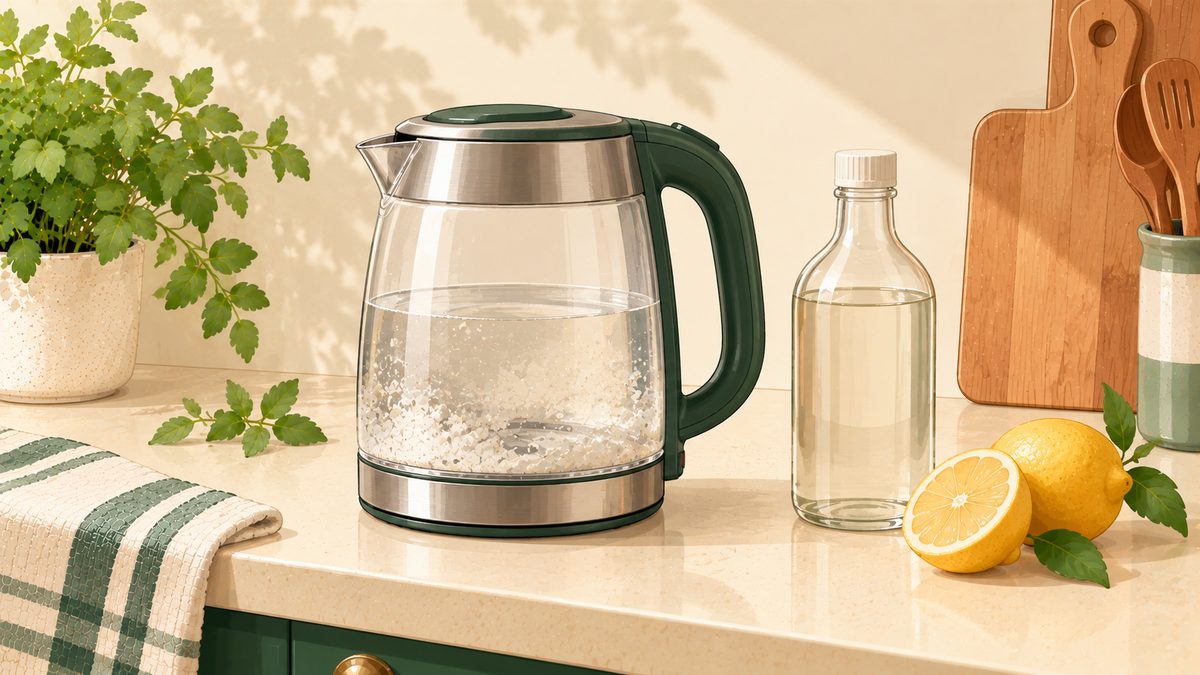
Limescale is calcium carbonate, harmless to drink but bad for the kettle. Remove it with vinegar or citric acid, skip bleach and steel wool, and set the schedule by water hardness.
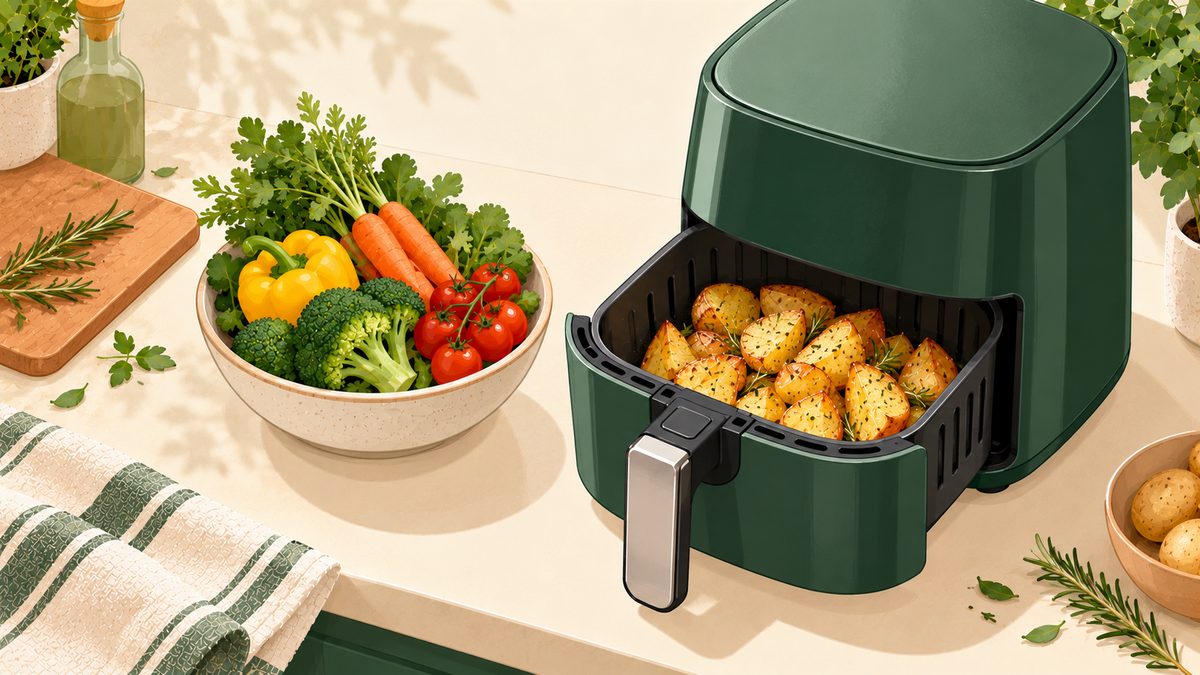
Evidence does not show air fryers are worse than ovens or deep fryers. Acrylamide tracks browning, coatings stay under the 500F breakdown unless scratched, and the plastic shell never touches food.
Seasoning is oil baked onto iron until it polymerizes. Use a very thin coat of vegetable or canola oil at 450–500°F for an hour, repeat, and skip the thick coats that turn sticky.
Glass sheds no microplastics or bisphenols when reheated; plastic does. Most glass sets still use plastic or silicone lids, and US glass is usually soda-lime, so follow the thermal rules.
One page, plain English: what to check in your pans, containers, cutting boards and gadgets, and what to replace first. Plus our newest guides in your inbox. Unsubscribe any time.