Home › Guides › Care and cleaning
Cookware care: how to clean cast iron, stainless and 4 more
Maker-published care rules for cast iron, enameled cast iron, stainless steel, ceramic and titanium nonstick, cutting boards and kettles, with the one mistake to never make for each.
Non-toxic cookware lasts when the care matches the material. Cast iron wants drying and oiling after every wash. Enameled cast iron wants low heat and never an empty preheat. Stainless steel wants to cool before it hits water, plus an occasional scrub with Bar Keepers Friend. Ceramic and titanium-coated nonstick want medium heat, soft utensils and no aerosol spray. Bamboo boards want hand washing and mineral oil; kettles want a vinegar descale. Every rule below comes from the makers' own care pages (Lodge, All-Clad, GreenPan, Cosori, Totally Bamboo) or from Bar Keepers Friend, linked in place.
Still choosing? Start with our guide to non-toxic cookware materials and best non-toxic pans. This page is for after the box arrives.
Cast iron: wash, dry, oil, every time
Lodge's routine: wash with warm, soapy water and a stiff brush, "Dry completely with a paper towel or lint-free cloth," then "Add a thin layer of oil" over the whole surface (Lodge, How to Clean).
- Soap is fine. Lodge says modern dish soap "is no longer strong enough to remove seasoning from cast iron" (Lodge).
- Dry it right away, then oil it. Lodge lists air drying, soaking and dishwashers as the causes of rust (Lodge troubleshooting).
- Stuck-on food: a pan scraper or nylon brush under warm water, not a soak.
- Sticky, gummy surface means too much oil. Lodge's fix: bake it upside down at 450–500°F for one hour (Lodge troubleshooting).
- Black flakes in your food are, in Lodge's words, "just carbonized bits of oil." Cook in the pan more, or re-season it.
Never do this: soak it or run it through the dishwasher. Lodge says soaking "is a recipe for rust" and a dishwasher "will remove the seasoning and likely cause rust" (Lodge). Steel wool is for rust removal only.
On the Lodge 10.25-Inch Pre-Seasoned Cast Iron Skillet (4.6 stars, 87,490 Amazon ratings as of October 2026), "rust after first use" and "sticks" are the top complaints; both trace back to drying and oiling. Step-by-step help: how to clean a cast iron skillet after bacon, steak and burnt-on food, cast iron rusted after the first use and how to season cast iron and which oil to use. The Lodge 12-Inch Skillet with Silicone Handle Holder follows the same rules.
Enameled cast iron: low heat, never empty
Lodge's care rules for enamel read like rules for glass: gentle heat, no shocks, no metal.
- Do not preheat it empty on the stove. Lodge: "We do not recommend preheating an empty piece of enameled cast iron on the stovetop as it could damage the enamel coating" (Lodge enameled care). Oil or water first, then heat.
- Low to medium heat on the stovetop, always (Lodge enamel stains).
- Wood, silicone or nylon utensils. Metal "can scratch the enamel finish" (Lodge).
- Hand wash, though it is technically dishwasher safe, and skip citrus cleaners, which Lodge says dull the gloss.
- Stains: Lodge's method is a 2–3 hour soak in 3 tablespoons of household bleach per quart of water; for baked-on food, boil 2 cups of water with 4 tablespoons of baking soda, then scrape (Lodge).
Never do this: drop cold ingredients into a hot, empty pot. Lodge's example is ice cubes tossed into a hot Dutch oven for bread steam (Lodge). Store with a pot protector between lid and rim so the edges do not chip.
Enamel chipping is the top complaint on the Lodge 6-Quart Enameled Dutch Oven (4.7 stars, 39,227 Amazon ratings as of October 2026). What a chip means, and when to retire the pot, is in is chipped enameled cast iron safe?
Stainless steel: let it cool, then scrub
Stainless has no coating; what hurts it is heat shock, chlorine and the wrong scrubber.
- Preheat on low to moderate heat. All-Clad: "Water will dance on the pan when ready" (All-Clad use and care).
- Salt the water after it boils. All-Clad says salt in cold water can leave small white pits (All-Clad).
- Rainbow or blue tint comes from heat above about 500°F. Fix: wipe with a sponge and white vinegar (All-Clad). A vinegar rinse also clears white mineral spots (All-Clad cleaning guide).
- Burnt-on food: Bar Keepers Friend's method is a paste of powder and water on a damp pan, left one minute ("DO NOT let the paste sit any longer"), rubbed in circles from the center out, then washed in hot soapy water (Bar Keepers Friend). All-Clad recommends Bar Keepers Friend and Bon Ami.
- Wipe with the grain, and rinse the cleanser off completely so the chrome oxide layer can rebuild (Bar Keepers Friend do's and don'ts).
Never do this: put a hot pan under cold water; All-Clad and Bar Keepers Friend both warn it can warp (All-Clad, BKF). No bleach, no steel wool: BKF says chlorides cause pitting.
On the Cuisinart Chef's Classic Stainless 11-Piece Set (4.3 stars, 9,820 Amazon ratings as of October 2026), buyers repeat two complaints: staining and "food sticks without heat/fat." The first is a vinegar-and-BKF job. The second is technique, the whole subject of how to cook on stainless steel without sticking.
Ceramic nonstick: medium heat, no spray, soft tools
Ceramic coatings are the most fragile thing in this guide. GreenPan's maintenance page names four coating killers: excessive heat, cooking-spray buildup, stacking without protection, and metal utensils (GreenPan).
- Low to medium heat for most dishes.
- No aerosol cooking spray. GreenPan: "Aerosol sprays can leave a residue that builds up and affects performance." Use a little oil or butter.
- Wood, silicone or nylon utensils only.
- Cool completely before washing; sudden temperature changes "can stress the material." Hand wash, soft sponge.
- Stack with a cloth or pan protector between pans.
Never do this: blast it on high to get a sear. The coating does not come back. Cosori's TurboBlaze manual gives its coated basket the same rules: non-abrasive sponge, no metal utensils, baking-soda paste for grease (Cosori TurboBlaze manual, PDF). More in how to clean an air fryer basket and how to use an air fryer for the first time.
"Nonstick fades within a week for some" is the warning on the Sensarte Ceramic Nonstick Frying Pan with Lid (4.4 stars, 10,690 ratings as of October 2026); "coating peeling" leads complaints on the Carote 21-Piece Ceramic Cookware Set. The 30/60/90-day egg test tracks that decline; when to replace a nonstick pan says when to stop.
Titanium-coated nonstick: treat it exactly like ceramic
"Titanium" on a pan box describes a coating, not a titanium pan. On the Carote 20-Piece Titanium Nonstick Cookware Set (4.6 stars, 591 ratings as of October 2026) the titanium content is a maker's claim and scratch reports are mixed. Same rules as ceramic: low to medium heat, no aerosol, wood or silicone tools, cool before a soft-sponge wash.
Never do this: let the word titanium talk you into metal utensils. What the label does and does not promise is in PFAS-free vs PFOA-free vs "non-toxic".
Cutting boards: titanium and bamboo
- Bamboo: hand wash, dry upright, oil monthly. Totally Bamboo's instructions: hot soapy water, towel off the excess, stand the board on edge for several hours or overnight. Oil with food-grade mineral oil only; vegetable, olive or avocado oil goes rancid and makes the board smell (Totally Bamboo).
- Titanium boards: soap, water, dry. No finish to maintain. Buyers of the sufkodu Titanium Cutting Board Set of 3 report mixed scratching; on other titanium boards buyers dispute the material itself. "100% titanium" is a maker's claim.
- One board for raw meat, another for everything else. The CDC: "Use one cutting board or plate for raw meat, poultry, and seafood and a separate cutting board or plate for produce, bread, and other foods," and wash boards "with hot, soapy water after preparing each food item" (CDC).
Never do this: put bamboo in the dishwasher or leave it soaking. Totally Bamboo says heat and moisture warp or crack it; "some boards crack" is the note on the Astercook Carbonized Bamboo Cutting Board Set. Full routines, including wood, are in how to clean and oil titanium, bamboo and wood cutting boards; the raw-meat question in best non-toxic cutting boards for raw meat; the material dispute in titanium cutting boards: real titanium or steel? If a health condition affects how you handle food, ask your doctor.
Kettles: descale weekly if you use it daily
Cosori's kettle manual says to descale "at least once a week if you use it frequently," and before and after long storage (Cosori kettle manual, PDF).
- Unplug, empty, let it cool.
- Add half a lemon or ½ cup of distilled vinegar, then 2 cups of water, and boil.
- Pour out and wipe the scale off with a non-abrasive sponge; repeat if needed.
- Thin scale, quick version: 3 tablespoons of baking soda in ½ cup of vinegar, swirl, wipe, pour out.
- Dry all parts after every use.
Never do this: scrub with steel wool (it scratches) or immerse the kettle or its base in water. Both are in the manual.
The Cosori 1.7L Glass Electric Kettle and Cosori 1.7L Stainless Steel Electric Kettle share this routine. Full version: how to descale a glass or stainless kettle; which parts touch the water: plastic-free electric kettles.
Bottom line
Many of the complaints quoted above describe a care mistake, not a defect: cast iron left wet, enamel heated empty, stainless shocked under the tap, ceramic hit with high heat and spray. Each maker publishes the fix, linked above. Match the routine to the material and the pan outlasts the review period by years.
Sources
- Lodge, How to Clean cast iron — accessed 2026-10-09
- Lodge, How to Fix Common Cast Iron Concerns — accessed 2026-10-09
- Lodge, Restore and Season Rusty Cast Iron — accessed 2026-10-09
- Lodge, Seasoned Cast Iron Cleaning & Care — accessed 2026-10-09
- Lodge, Cleaning & Care: Enameled Cast Iron — accessed 2026-10-09
- Lodge, How to Remove Stains from Enameled Cast Iron — accessed 2026-10-09
- All-Clad, Use and Care Guide — accessed 2026-10-09
- All-Clad, How to Clean Stainless Steel Cookware — accessed 2026-10-09
- Bar Keepers Friend, How to Clean Stainless Steel Pans — accessed 2026-10-09
- Bar Keepers Friend, 8 Do's and Don'ts for Cleaning Stainless Steel — accessed 2026-10-09
- GreenPan, How to Make Your Ceramic Nonstick Cookware Last — accessed 2026-10-09
- Cosori, TurboBlaze Air Fryer Manual (PDF) — accessed 2026-10-09
- Totally Bamboo, How to Clean & Care for a Bamboo Cutting Board — accessed 2026-10-09
- Totally Bamboo, Cleaning & Care — accessed 2026-10-09
- CDC, Four Steps to Food Safety — accessed 2026-10-09
- Cosori, Original Electric Glass Kettle Manual (PDF) — accessed 2026-10-09
Products mentioned in this guide
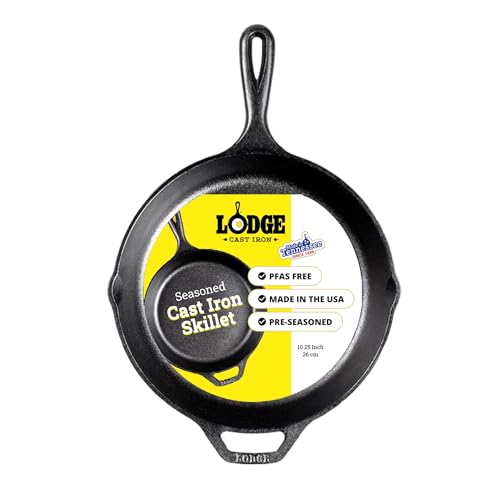
Lodge 10.25-Inch Cast Iron Skillet: 87,490 reviews, rust explained
The classic American cast iron skillet at about $22.91 with 87,490 Amazon ratings. Tough and versatile, but some buyers report rust after first use and food sticking.
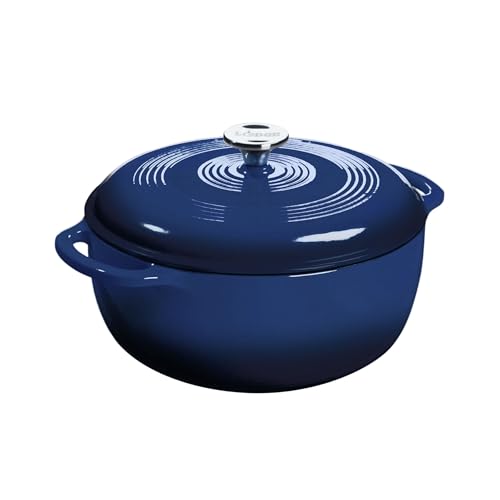
Lodge 6-Qt Enameled Dutch Oven: $69.99, does the enamel chip?
A $69.99 enameled cast iron Dutch oven with 4.7 stars from 39,227 ratings. Buyers love the quality and cleanup, but some report enamel chipping and a heavy build.

Cuisinart Chef's Classic Stainless Set: no coating, some staining
A $113.15 stainless steel set with aluminum-encapsulated bases and glass lids, no nonstick coating. Buyers like the look and even heat, but some report staining and food sticking.
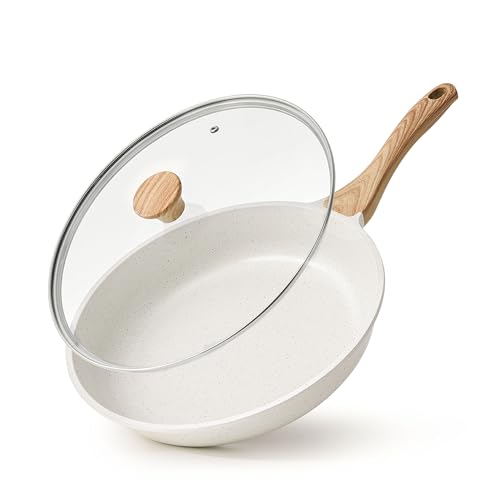
Sensarte Ceramic Frying Pan: is ceramic nonstick worth it?
A $26.99 ceramic-coated pan (price varies by size) with a glass lid. Buyers like the even heat and easy cleanup, but nonstick performance and durability are mixed.
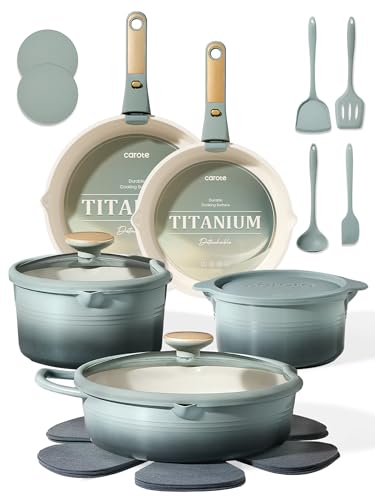
Carote 20-Piece Titanium Set: is "titanium" just a coating?
A $99.99 detachable-handle set that stacks to save space. Only 591 Amazon ratings so far, and buyers disagree on whether the coating scratches.
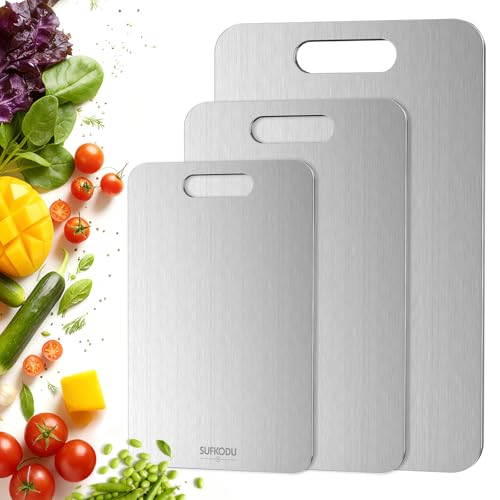
sufkodu Titanium Board Set: does titanium scratch? 988 reviews
A three-size titanium board set for $59.99 that buyers call well-made, light and easy to clean. It has under 1,000 ratings, the scratch reports are mixed, and the titanium claims come from the seller.
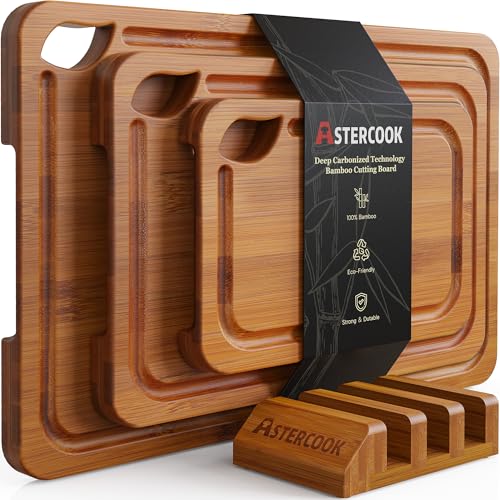
Astercook Bamboo Cutting Board Set: why some boards crack
A $24.99 bamboo set with three reversible boards and a stand. Buyers love the look and the gift appeal, but some report cracking and boards smaller than expected.
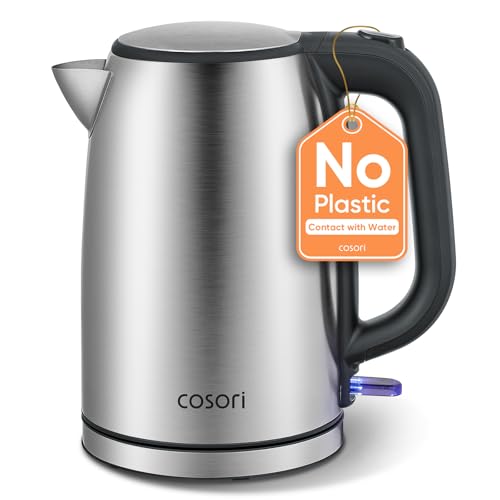
Cosori Stainless Steel Kettle: 304 steel inside, but does it last?
A $35.99 stainless steel kettle with a 304 stainless interior. Buyers praise speed and value, but some report it breaking after about 10 months.
Some links on this site are affiliate links. If you buy through them we may earn a small commission, at no extra cost to you.